Structural Crack Repair
Route and seal moving cracks with flexible sealant, or stitch larger structural cracks to restore tensile capacity.
Structural crack repair covers two related methods: routing widens an active or moving crack into a groove filled with flexible sealant (non-structural); stitching embeds metal staples or dowels across a crack to mechanically restore tensile capacity for larger structural cracks.
Used on bridges, industrial floors, and retaining walls when cracks are unsuitable for rigid epoxy injection — per ACI 224.1R.
We diagnose whether a crack is dormant or active, then choose routing/sealing, stitching, or a combination with waterproofing so movement and water are both managed correctly.
Correct crack treatment protects reinforcement, preserves structural integrity, and prevents small defects from becoming costly full-depth repairs.
Key benefits
Triggered by
Active or moving cracks unsuitable for rigid epoxy injection.
Standards & references
ACI 224.1R
Typical structures
- Bridges
- Industrial floors
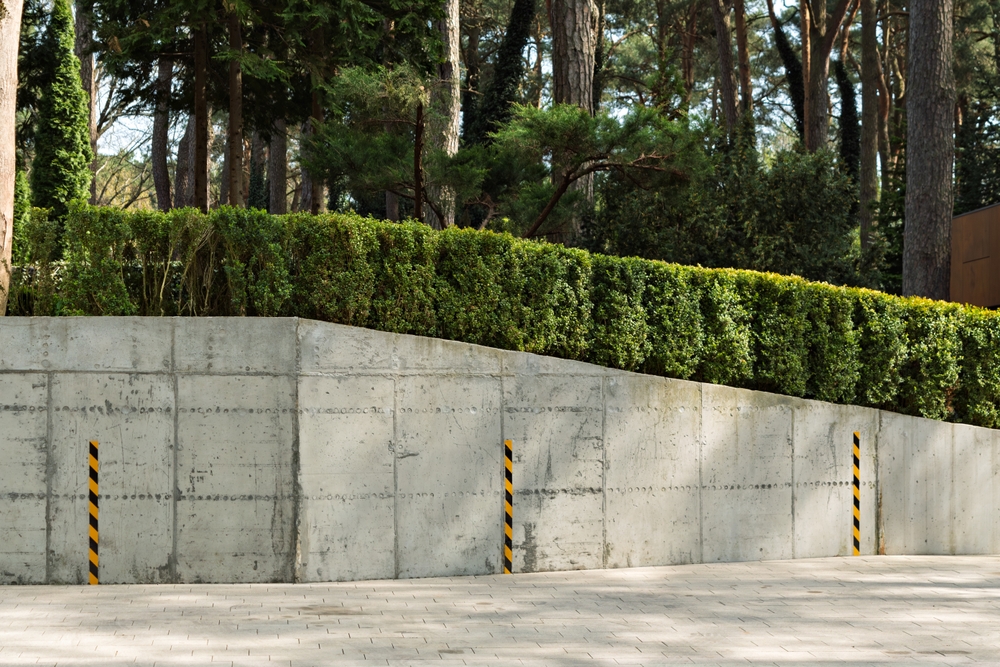
- Retaining walls
What our work looks like