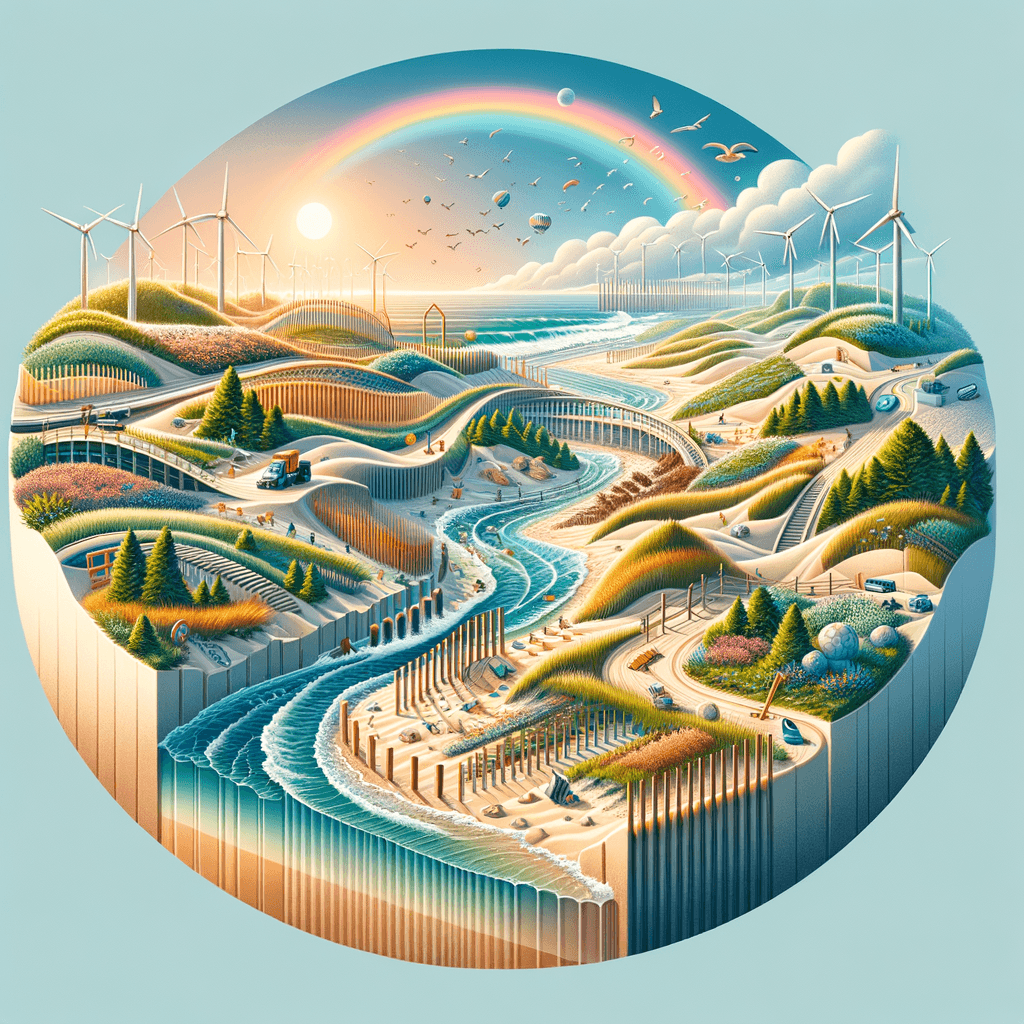
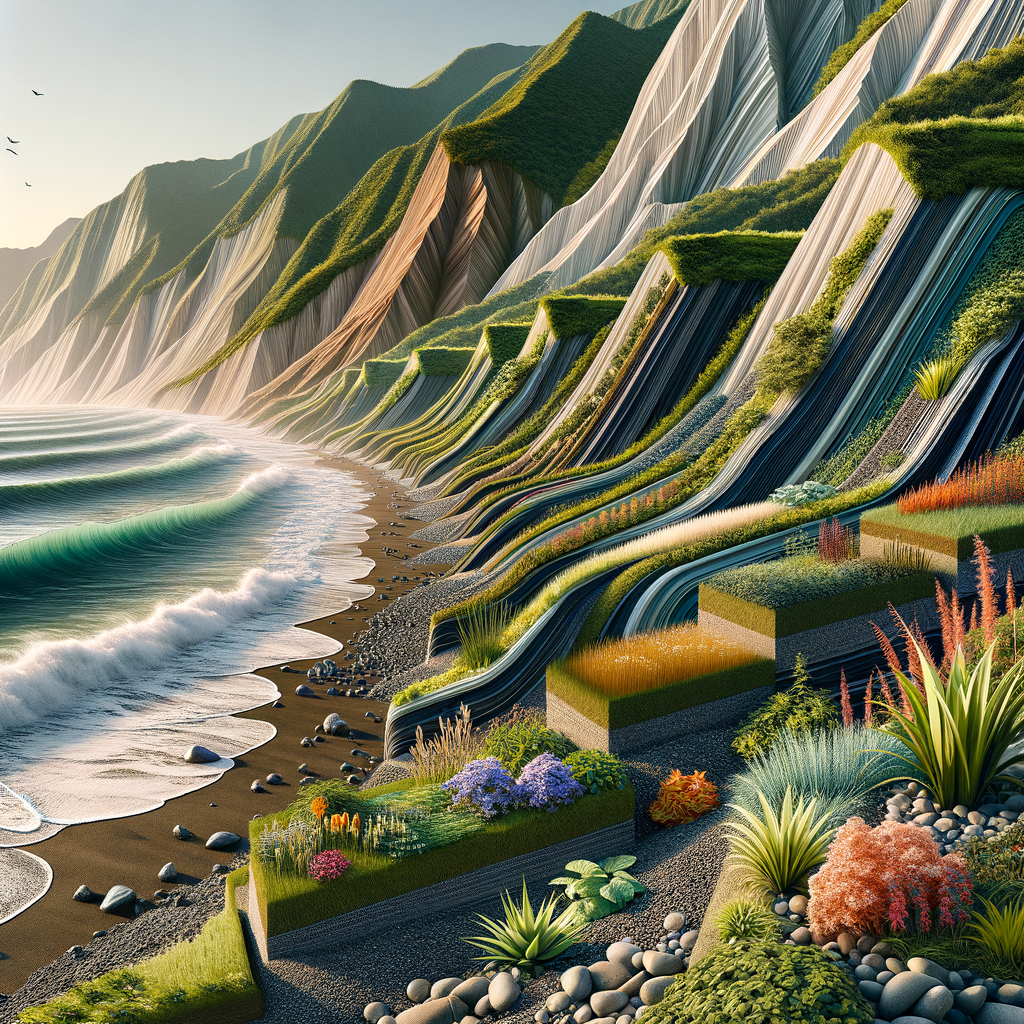
Explore cutting-edge geotextile applications in coastal erosion control. Learn about innovative materials, installation techniques, ecological impacts, and future trends in sustainable shoreline protection.
The Rising Need for Geotextiles in Coastal Erosion Control
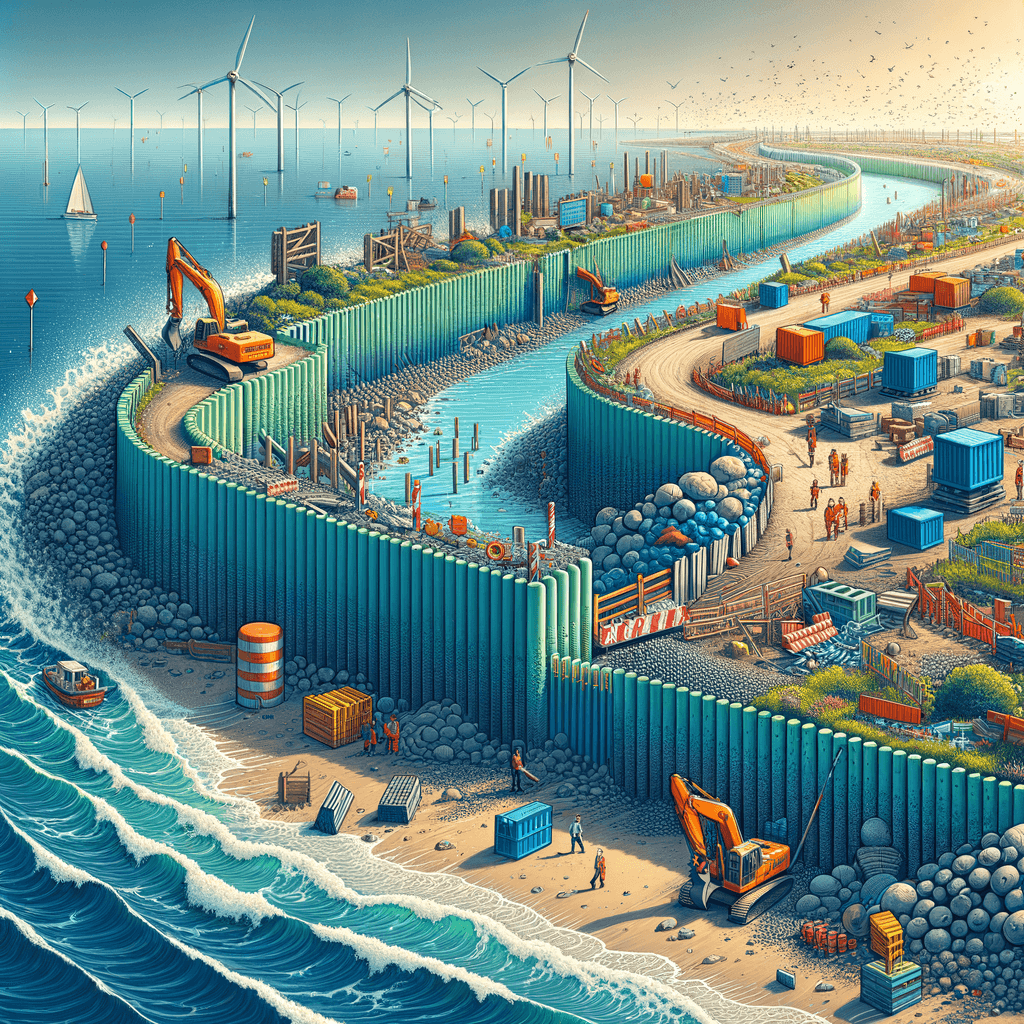
Coastal communities face increasing threats from shoreline erosion due to intensified storm activity, sea level rise, and human interventions. Traditional hard armoring solutions often disrupt natural processes and habitats. Geotextiles—engineered permeable fabrics—have emerged as a versatile, minimally invasive alternative for stabilizing coastlines while supporting ecological balance.
“Geotextiles allow us to engineer with nature, not against it, offering resilience without sacrificing the living shoreline.”
Types of Geotextiles and Their Coastal Applications
Modern geotextiles are available in various forms, each tailored for specific coastal engineering challenges. Their selection depends on site conditions, wave energy, and ecological requirements. Understanding these types enables project managers and coastal engineers to optimize both protection and habitat value.
- Woven geotextiles: High tensile strength, ideal for revetments and underlayments in high-energy zones.
- Nonwoven geotextiles: Superior filtration and drainage properties, suitable for dune stabilization and vegetated slopes.
- Geogrids: Reinforcement in composite structures, enhancing stability in soft or shifting substrates.
- Biodegradable geotextiles: Temporary stabilization for habitat restoration projects, decomposing as native vegetation establishes.
Installation Techniques: Precision and Performance
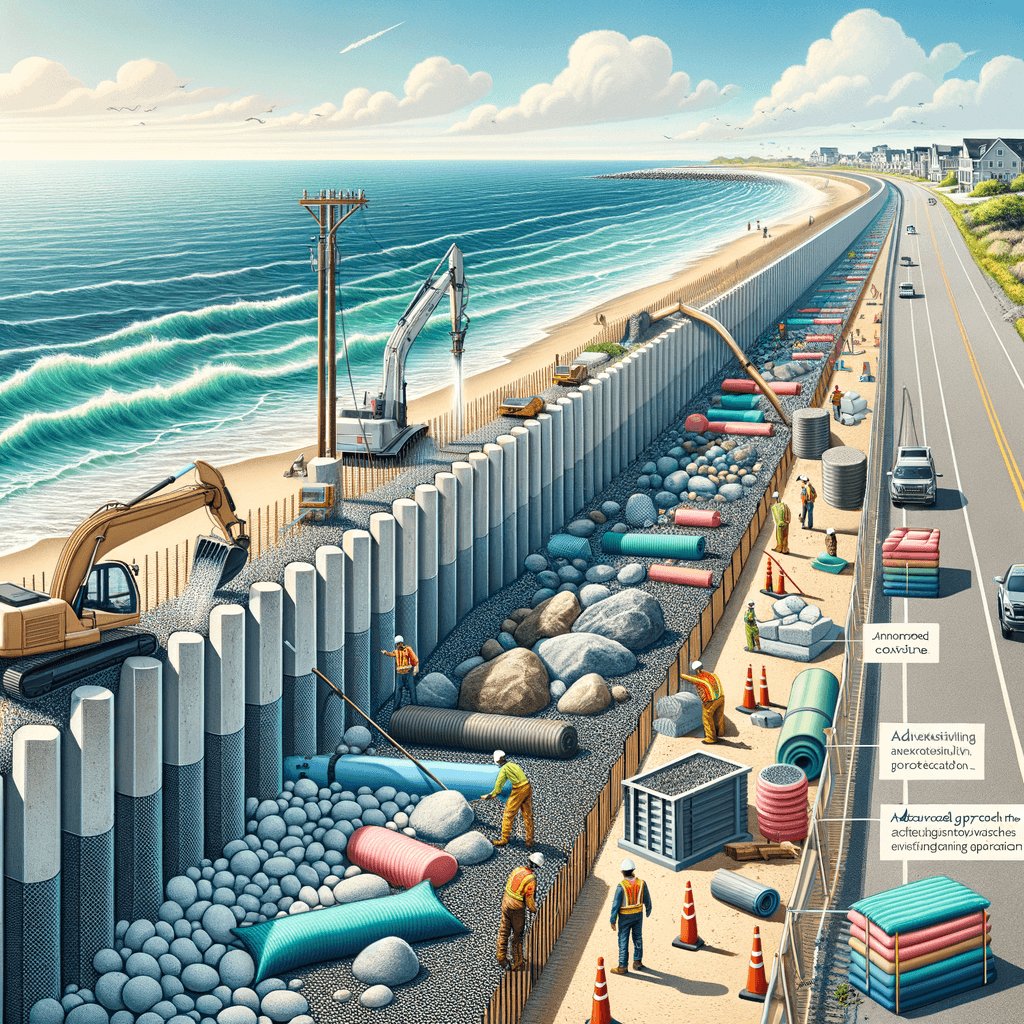
Proper installation of geotextile systems is crucial for long-term performance. Site-specific preparation, anchoring methods, and integration with native materials can significantly influence both structural integrity and ecological outcomes. Innovations in deployment have reduced installation time and minimized habitat disturbance.
| Technique | Key Benefit | Typical Application |
|---|---|---|
| Trench anchoring | Prevents undercutting and displacement | Seawall toe protection |
| Sand-filled tubes | Absorbs wave energy, adaptable shapes | Artificial dunes, temporary barriers |
| Vegetative overlays | Promotes root interlock, habitat creation | Living shorelines, marsh edges |
Balancing Shoreline Protection with Ecological Sensitivity
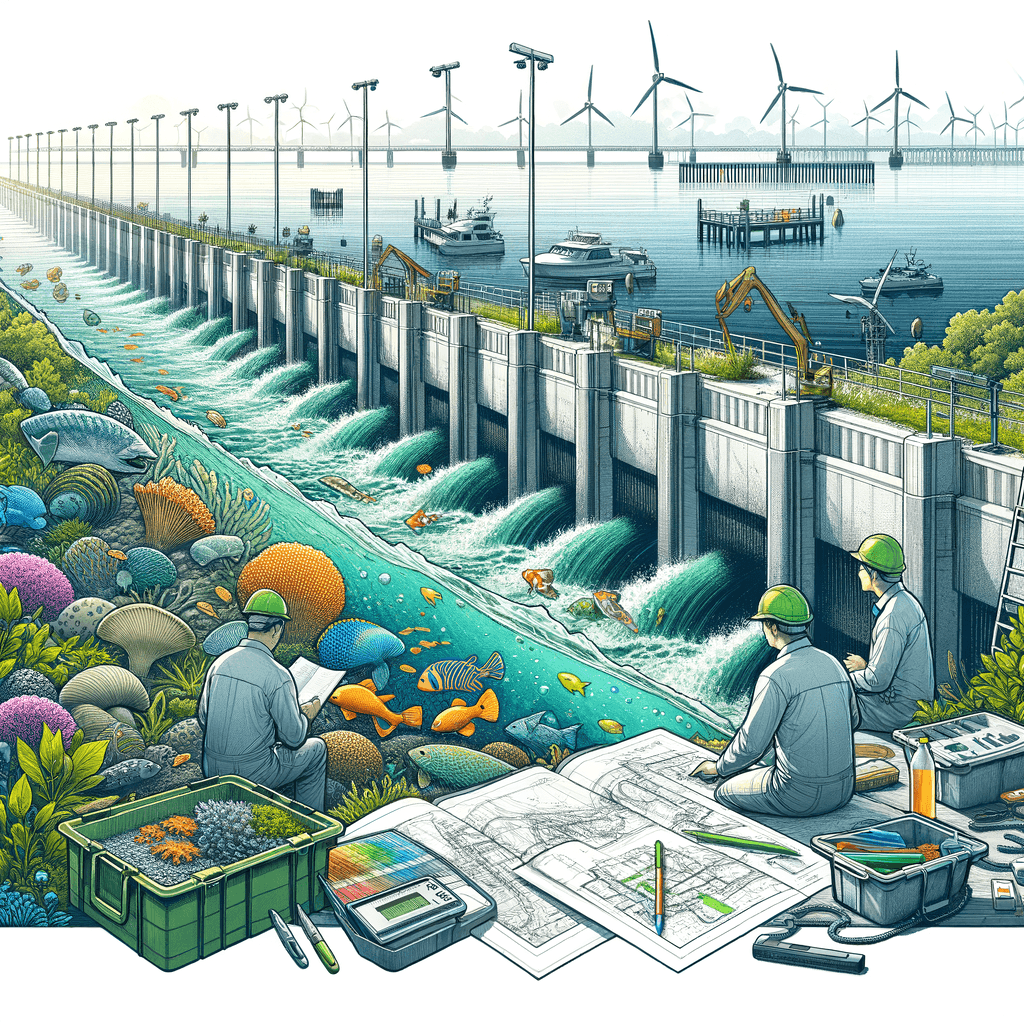
One of the primary advantages of geotextile-based erosion control is the ability to preserve or restore native ecosystems. Unlike rigid structures, geotextiles can be designed to facilitate natural sediment transport and support coastal flora and fauna. However, material selection and design must avoid introducing microplastics or disrupting critical habitats.
- Supports natural colonization by dune grasses and marsh plants.
- Reduces scouring and turbidity during storm events.
- Minimizes the footprint compared to concrete or rock armoring.
“The best coastal protection strategies work in harmony with natural processes, ensuring longevity for both the shoreline and its inhabitants.”
Future Trends and Innovations in Geotextile Coastal Solutions
The field of geotextile technology is advancing rapidly, with new materials and designs aimed at improving durability, sustainability, and ecological integration. Smart geotextiles embedded with sensors, bio-based polymers, and modular systems are redefining what’s possible in coastal engineering. These innovations promise greater adaptability in the face of climate change and evolving shoreline dynamics.
- Sensor-enabled fabrics for real-time monitoring of structural health.
- Bio-based and recycled geotextiles reducing environmental impact.
- Modular geotextile units for rapid deployment in disaster response.
Engage: How Can Geotextiles Transform Your Coastal Project?
Have you considered geotextile solutions for your shoreline protection needs? What challenges or concerns do you foresee with their implementation in your region? Share your experiences and thoughts below—your insights could help shape the future of sustainable coastal management.