Explore the science, benefits, and environmental considerations of wave attenuation breakwaters in coastal services. Learn about innovative designs, challenges, and future trends in shoreline defense.
Understanding Wave Attenuation Breakwaters
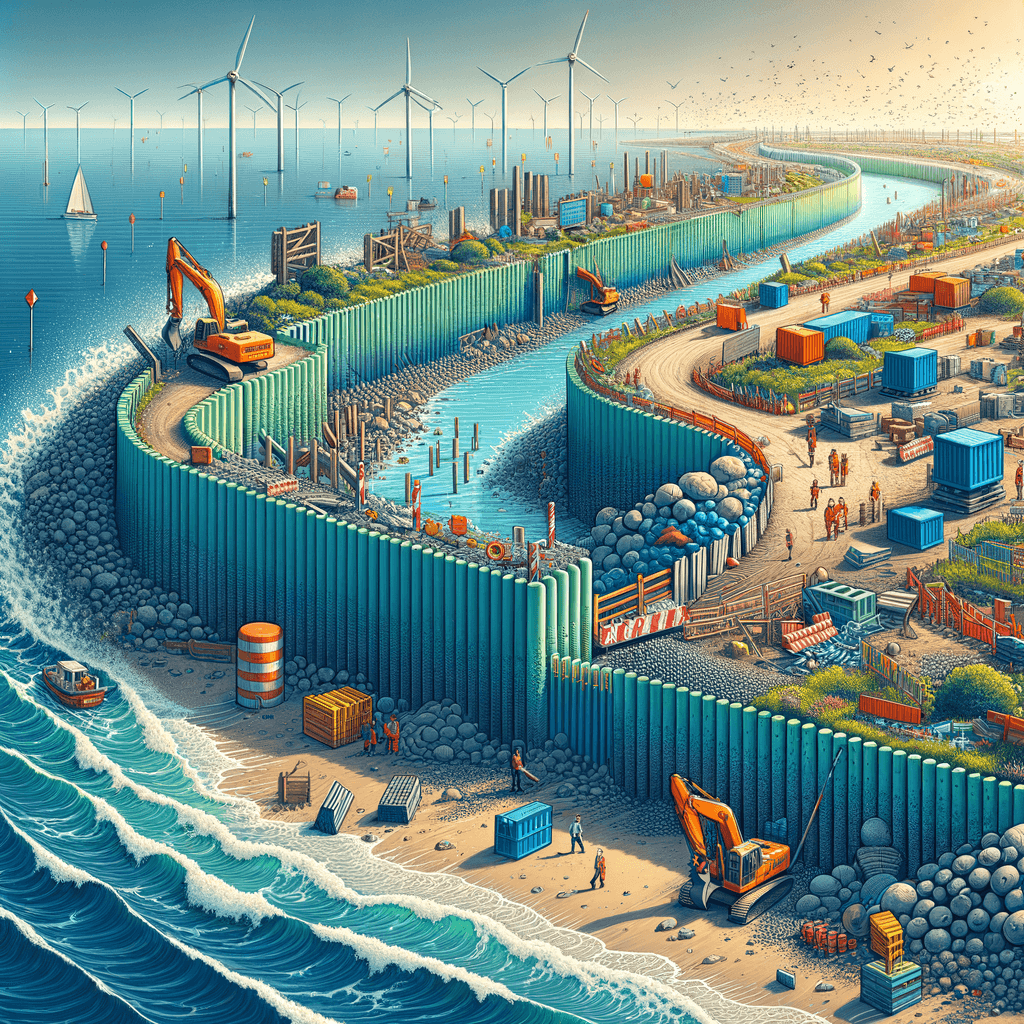
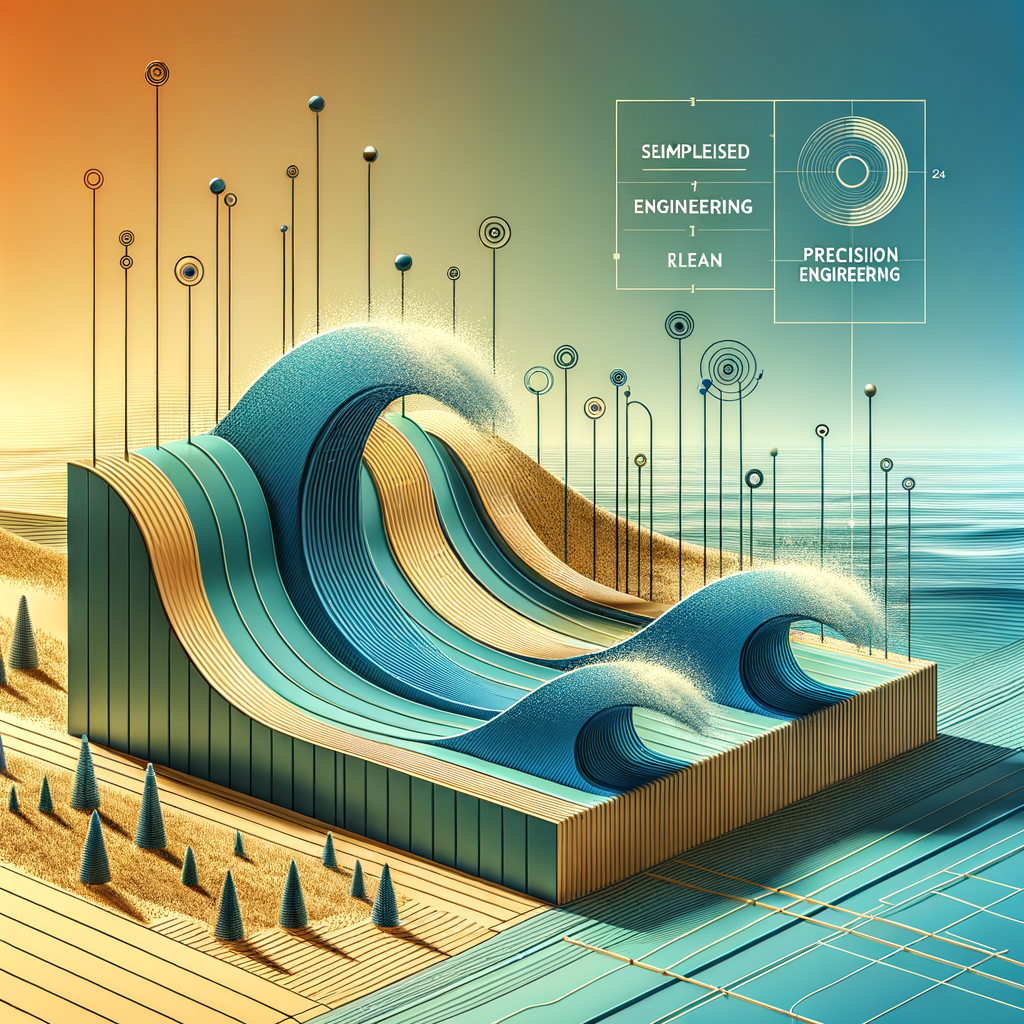
Wave attenuation breakwaters represent a specialized class of coastal defense structures designed to dissipate and reduce the energy of incoming waves before they reach vulnerable shorelines. Unlike traditional solid barriers, these engineered systems use permeable or segmented designs to allow partial wave transmission, minimizing reflection and promoting natural sediment dynamics. This nuanced approach is increasingly favored in regions where rigid defenses can exacerbate erosion or disrupt local ecosystems.
Key Types of Wave Attenuation Breakwaters
- Floating breakwaters: Modular units that absorb and deflect wave energy, suitable for marinas and sheltered bays.
- Submerged reef breakwaters: Engineered rock or concrete modules placed below the waterline, mimicking natural reefs to break waves and foster habitat.
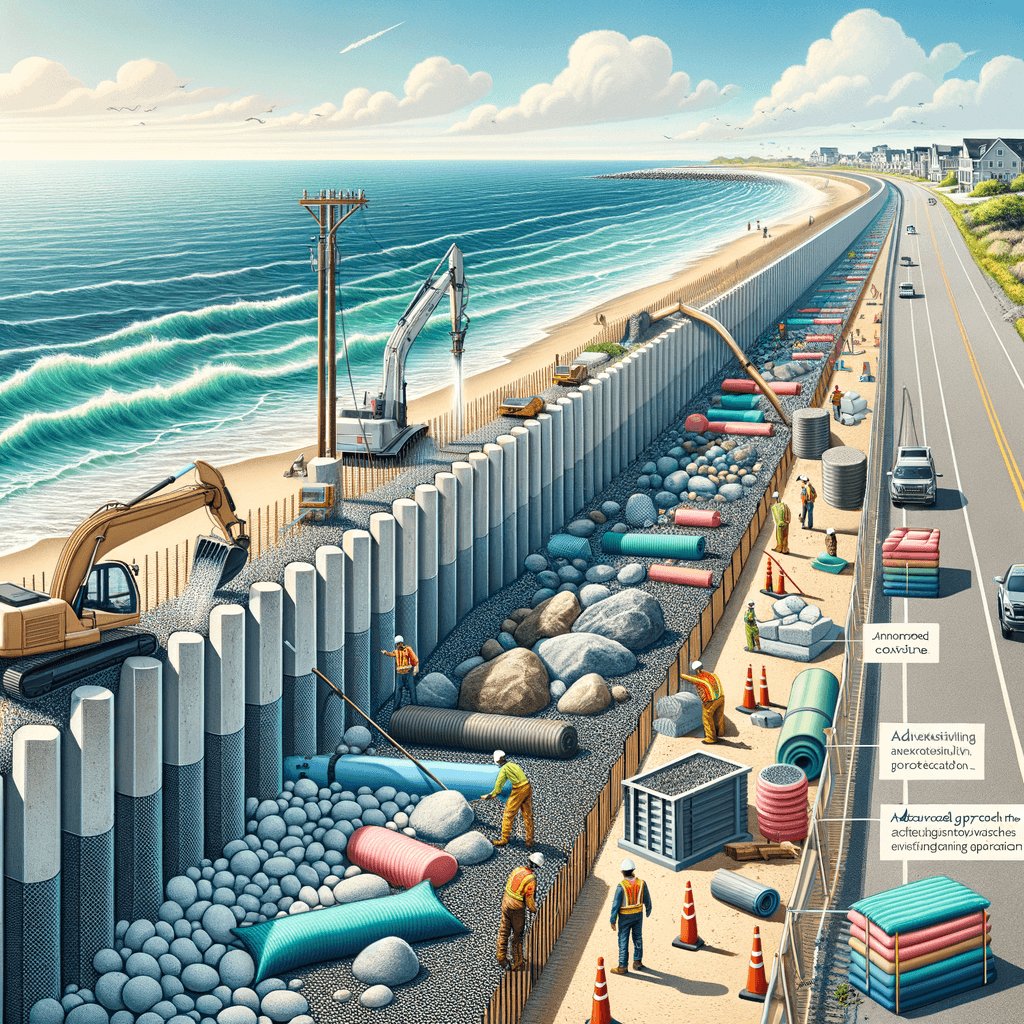
- Permeable pile structures: Vertical piles arranged to interrupt wave fronts while allowing water and sediment passage, reducing scouring effects.
- Hybrid vegetated breakwaters: Integrate living elements such as salt-tolerant plants with structural components for added ecological value.
Engineering Considerations and Design Innovations
The performance of wave attenuation breakwaters hinges on precise calculations involving local bathymetry, wave climate, sediment transport, and ecological sensitivities. Modern designs utilize advanced hydrodynamic modeling and durable, eco-friendly materials such as high-density polyethylene or fiber-reinforced concrete. Adaptive modularity allows for phased installation and easy reconfiguration, supporting both immediate protection and long-term shoreline evolution.
“Every coastline presents a unique set of challenges—successful breakwater design demands a synthesis of engineering rigor and ecological empathy.”
Environmental Impacts and Mitigation Strategies
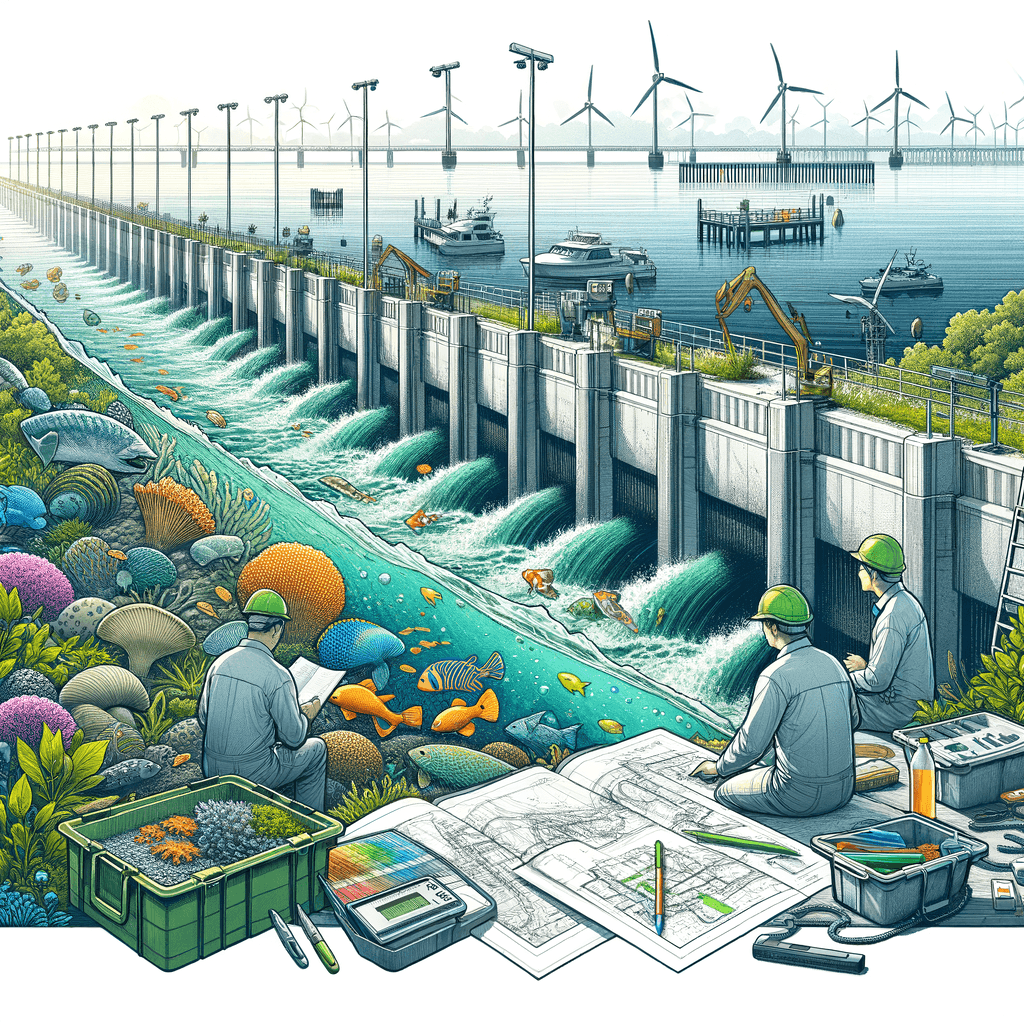
While wave attenuation breakwaters can offer significant erosion control and infrastructure protection, they must be implemented with careful attention to their potential ecological footprint. Unintended consequences like altered sediment deposition or changes in nearshore currents may affect benthic habitats. Integrating environmental monitoring and adaptive management ensures that protective benefits are balanced with long-term ecosystem health.
Comparative Overview: Wave Attenuation vs. Conventional Breakwaters
| Feature | Wave Attenuation Breakwaters | Conventional Breakwaters |
|---|---|---|
| Wave Energy Reduction | Partial, controlled dissipation | High, often total blockage |
| Sediment Transport | Encourages natural movement | Often disrupts patterns |
| Ecological Impact | Lower, supports habitats | Higher, may fragment habitats |
| Cost and Flexibility | Modular, scalable | Expensive, rigid |
| Aesthetic Integration | Blends with landscape | Visually intrusive |
Future Trends and Challenges in Wave Attenuation Technology
Emerging research explores the integration of smart sensors for real-time performance monitoring and the use of bio-inspired materials that further minimize environmental disruption. Climate change, with its intensifying storms and sea-level rise, underscores the necessity for adaptable and resilient shoreline protection strategies. The challenge remains: how can coastal communities harness these innovations to secure both economic and ecological futures?
Engage with the Future of Coastal Protection
As shoreline pressures mount, wave attenuation breakwaters offer a promising, flexible solution for sustainable coastal management. How do you see these technologies shaping the future of your community or industry? What unique challenges or opportunities exist in your region that could benefit from this approach? Share your perspectives below to foster a richer dialogue on next-generation coastal services.