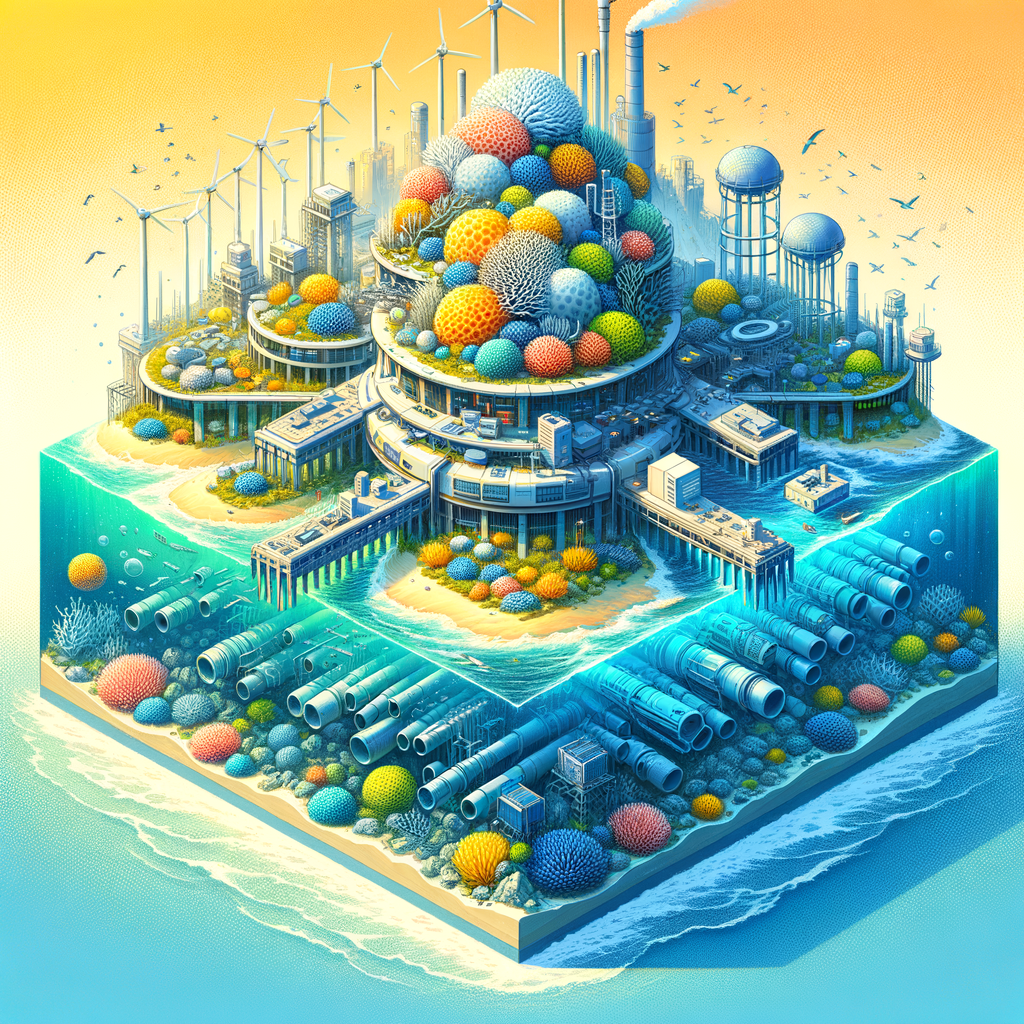
Explore how hybrid reef structures combine artificial reefs with coastal protection, offering erosion control, habitat creation, and climate resilience. Discover benefits, challenges, and future trends.
Introduction to Hybrid Reef Structures in Coastal Services
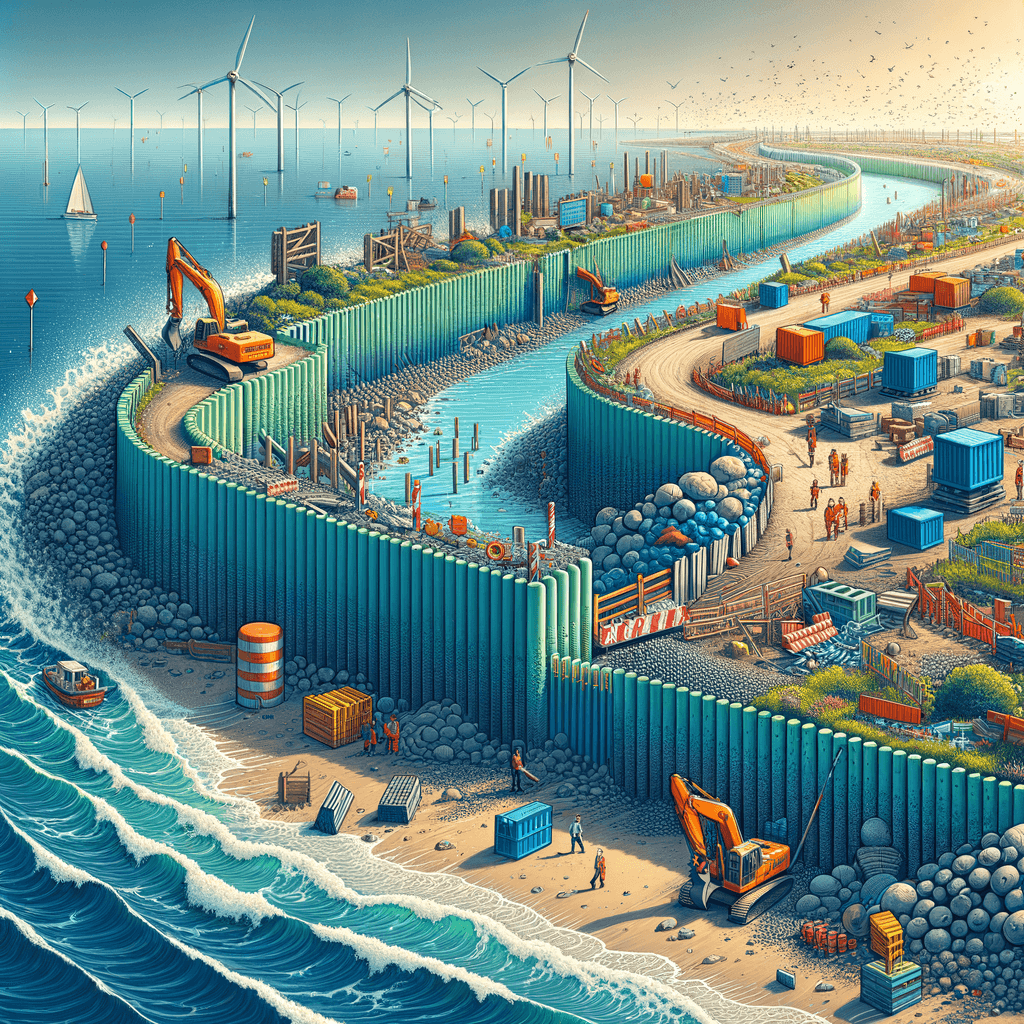
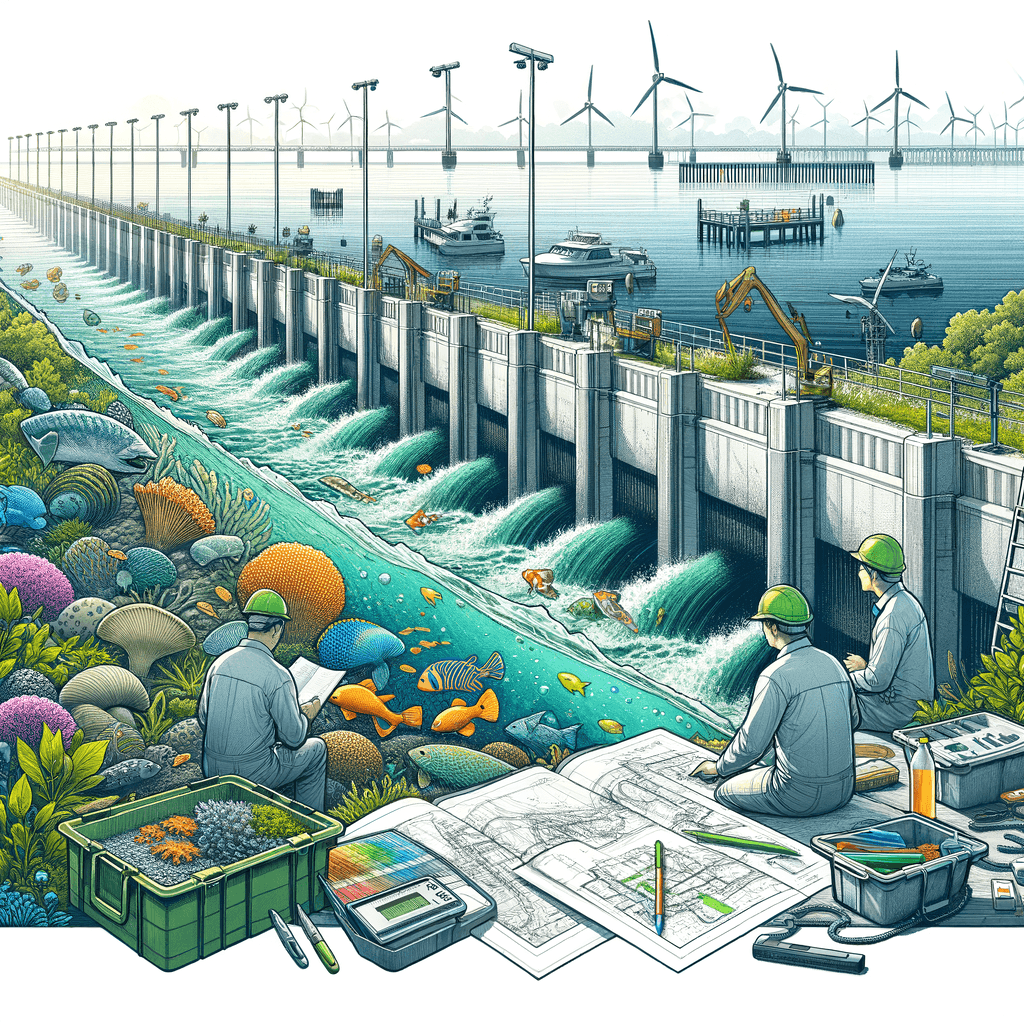
Coastal communities face mounting challenges from erosion, storm surges, and biodiversity loss. Hybrid reef structures—engineered systems that blend artificial reef modules with traditional coastal defenses—are emerging as a sophisticated solution. These structures not only dissipate wave energy but also foster marine habitat, supporting ecological and engineering goals in tandem.
Core Components of Hybrid Reef Structures
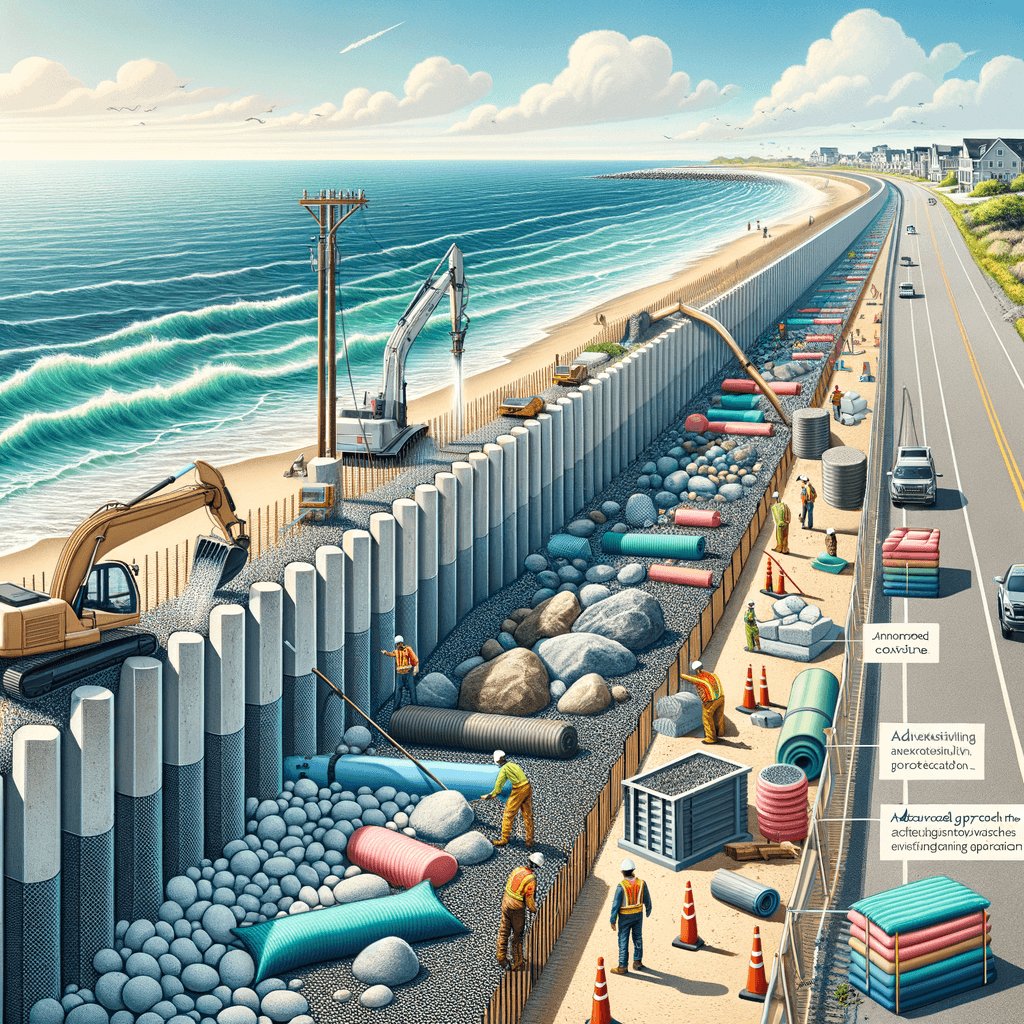
Hybrid reef systems integrate robust construction materials with biologically friendly designs, resulting in a multifunctional barrier. Their modularity allows for site-specific customization, addressing unique hydrodynamic and ecological conditions along vulnerable coastlines.
- Reinforced concrete modules with complex surface textures
- Calcium carbonate-enriched substrates to promote coral colonization
- Interconnected voids for fish and invertebrate refuge
- Integrated living elements such as seagrass mats or oyster beds
Benefits of Hybrid Reef Structures for Coastal Resilience
By merging ecological engineering with coastal protection, hybrid reefs offer a suite of advantages over conventional seawalls and breakwaters. These structures promote biodiversity, enhance sediment retention, and deliver long-term cost efficiency.
- Attenuation of wave energy, reducing shoreline erosion
- Creation of critical marine habitats for diverse species
- Support for natural sediment accretion and beach stability
- Increased longevity compared to traditional hard infrastructure
- Potential to improve water quality through filter-feeding organisms
“When designed with both nature and engineering in mind, hybrid reefs offer a future-proof strategy for coastlines facing the twin threats of erosion and ecological decline.”
Comparative Analysis: Hybrid Reefs vs. Traditional Coastal Defenses
Understanding the distinctions between hybrid reef structures and traditional approaches is crucial for stakeholders evaluating coastal service investments. The following table outlines key differences in functionality, environmental impact, and maintenance.
| Criteria | Hybrid Reef Structures | Traditional Seawalls/Breakwaters |
|---|---|---|
| Wave Energy Dissipation | High (via structural complexity and biological growth) | Moderate to High (rigid surfaces) |
| Habitat Creation | Extensive (promotes biodiversity) | Minimal |
| Long-term Stability | High (self-repairing via biogenic growth) | Variable (subject to scouring and structural fatigue) |
| Maintenance Needs | Low to Moderate (monitoring and adaptive management) | High (frequent repairs required) |
| Aesthetic Value | Naturalistic, visually appealing | Utilitarian, often stark |
Challenges and Considerations in Implementation
Despite their promise, hybrid reef structures present technical and regulatory hurdles. Site selection, material durability, and long-term ecological monitoring are essential for success. Stakeholder engagement and adaptive management frameworks are vital to ensure sustained benefits.
- Ensuring compatibility with local hydrodynamics and sediment regimes
- Navigating permitting and environmental compliance
- Selecting non-toxic, durable construction materials
- Balancing initial investment with lifecycle costs
- Establishing robust monitoring and maintenance protocols
Future Trends: Innovations and Research in Hybrid Reef Design
Ongoing advancements in biomimicry, 3D printing, and eco-materials are shaping the next generation of hybrid reef structures. Interdisciplinary collaboration is unlocking new possibilities for resilient, nature-positive coastal services.
“Innovative coastal engineering is not just about resisting nature, but learning from it to build systems that thrive alongside dynamic marine environments.”
Engagement: Shaping the Future of Coastal Services Together
As coastal threats intensify, hybrid reef structures offer a promising path forward for communities seeking resilient and ecologically sound solutions. What challenges or aspirations do you see for your local coastline? How could hybrid reefs address your community’s unique needs? Share your thoughts and experiences below to spark a dialogue on the future of coastal protection.