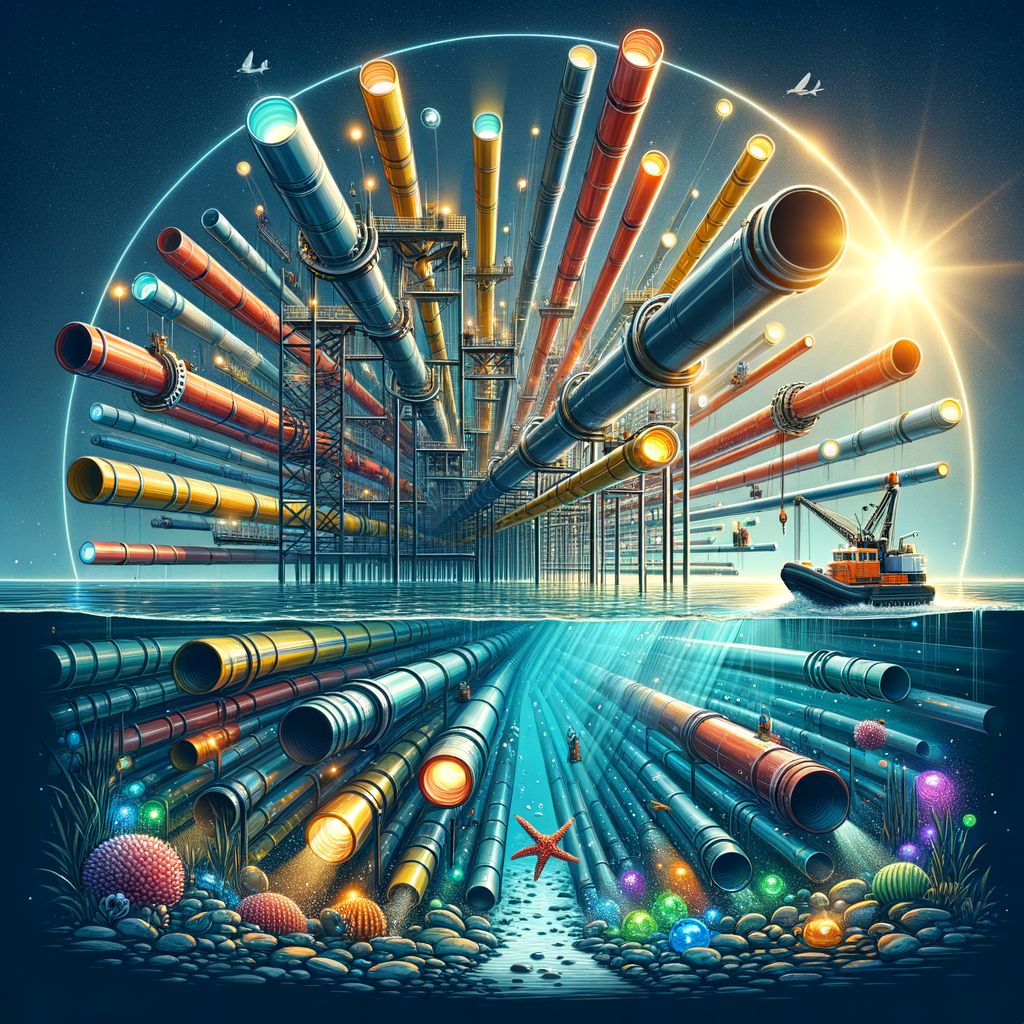
Explore advanced methods for subaqueous pipeline installation in coastal environments, addressing technical challenges, ecological considerations, and future trends in sustainable marine construction.
Introduction to Subaqueous Pipeline Installation in Coastal Settings
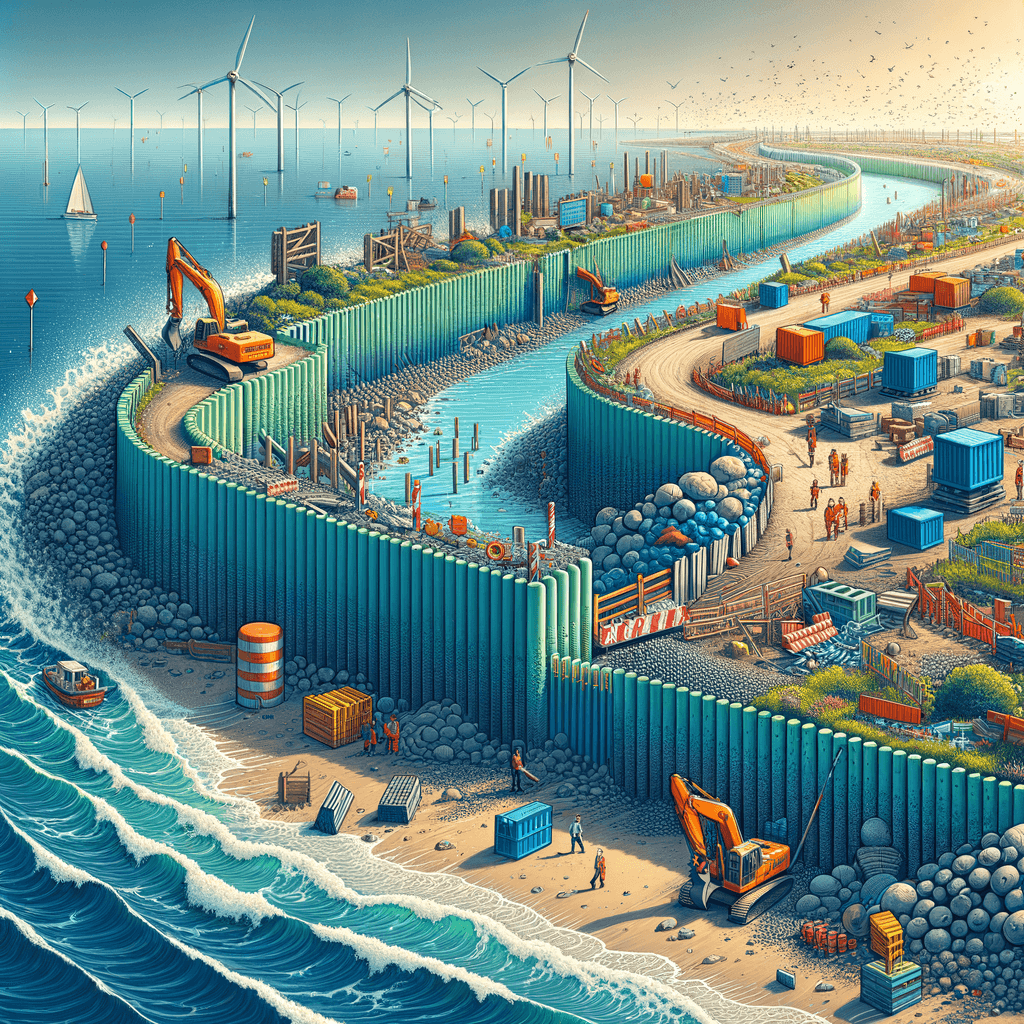
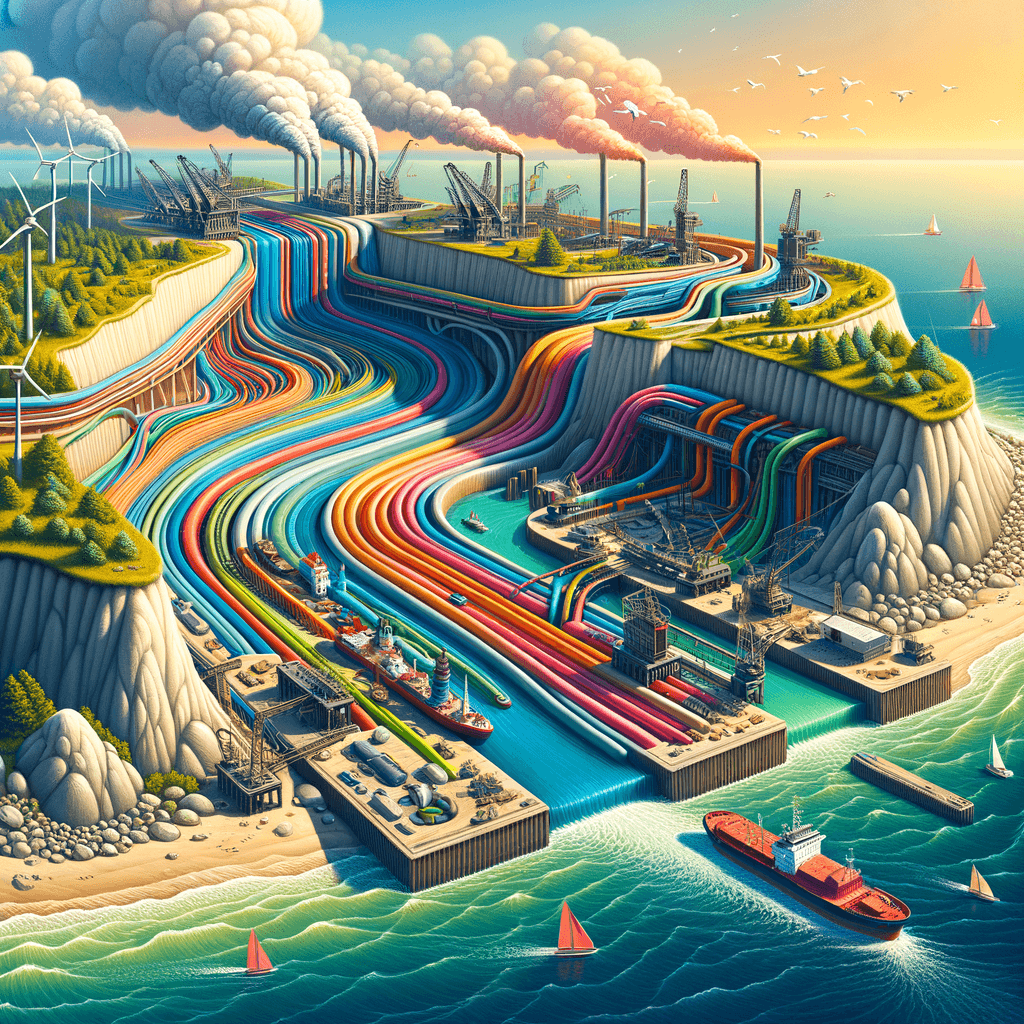
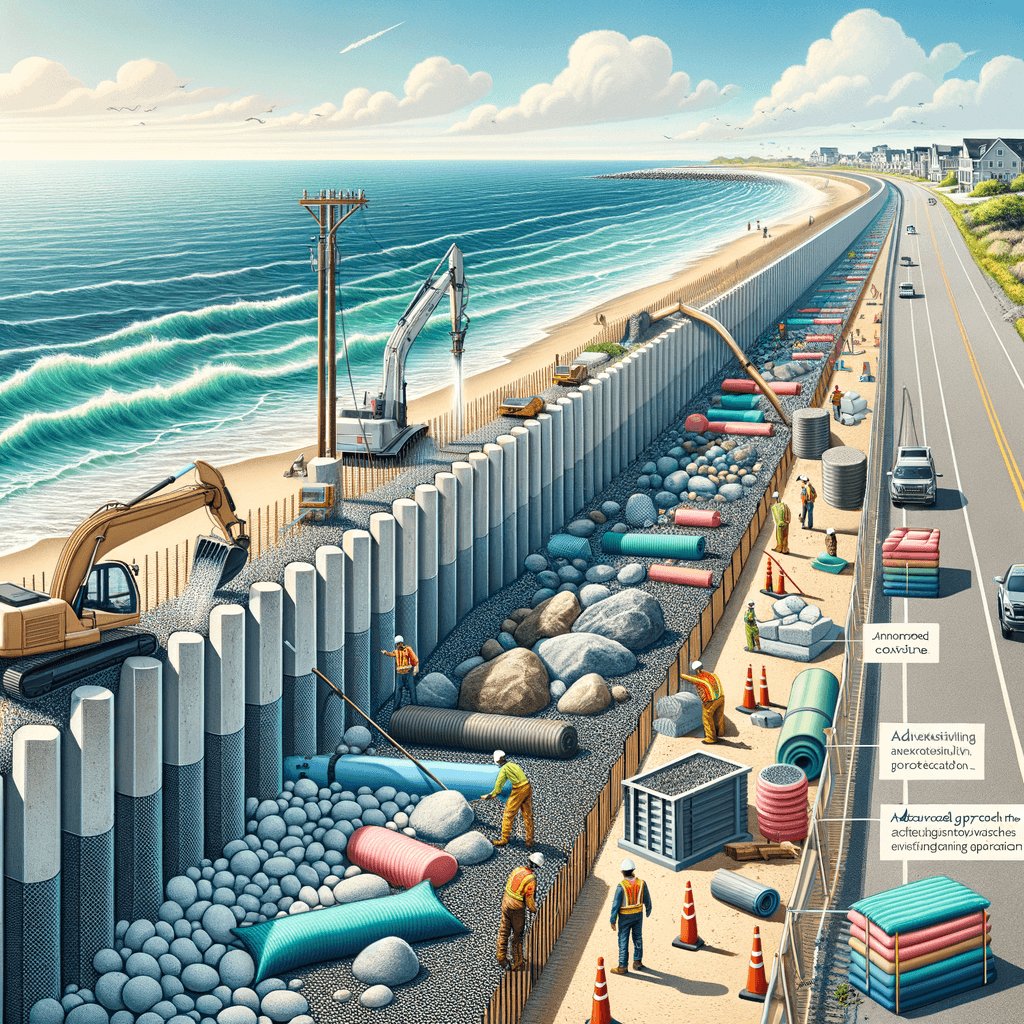
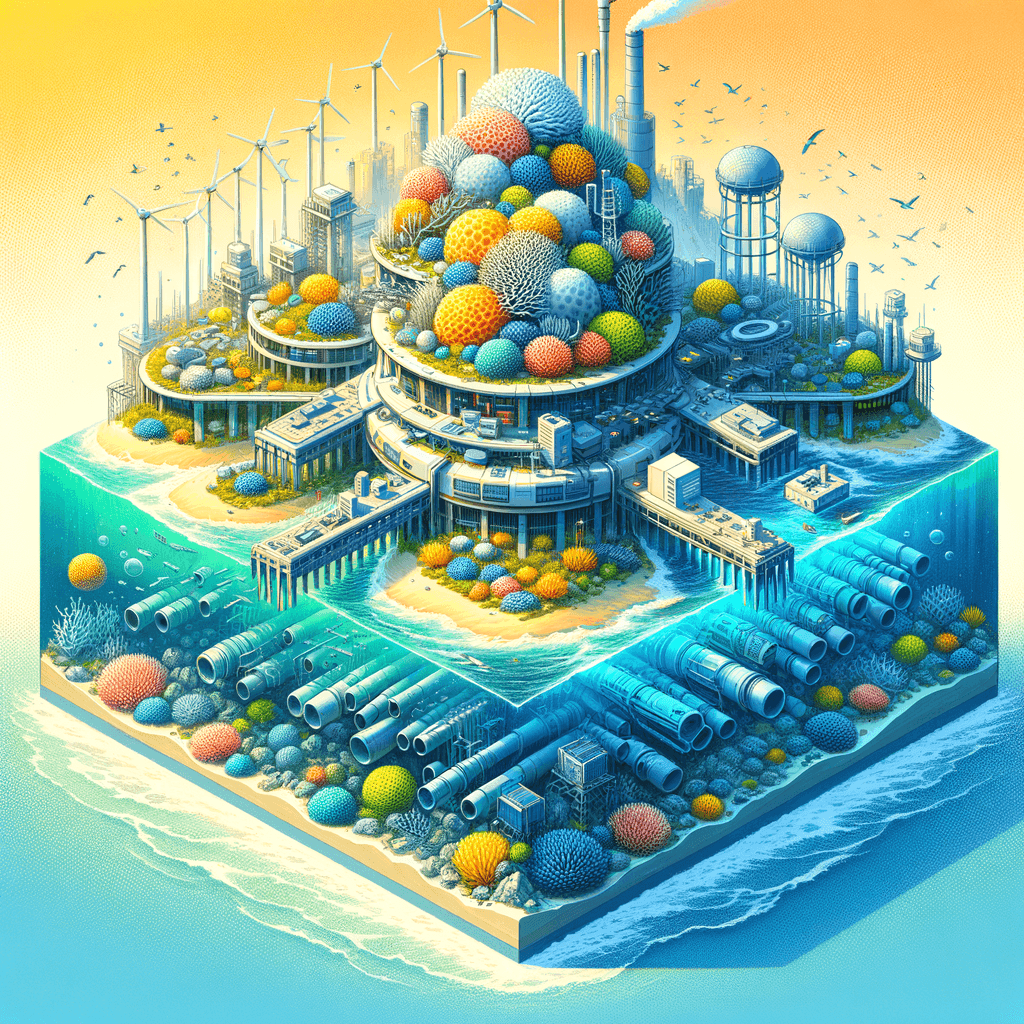
Subaqueous pipelines are critical to the delivery of water, energy, and communication services across coastal environments. As demand for resilient coastal infrastructure grows, specialized techniques for installing pipelines beneath the seabed have become increasingly vital. This process not only supports economic development but also requires meticulous attention to environmental stewardship and engineering precision.
Key Techniques for Subaqueous Pipeline Installation
Coastal engineers employ a variety of sophisticated methods to ensure the safe and effective installation of pipelines beneath water bodies. Each technique is chosen based on site-specific conditions, project scale, and environmental sensitivity.
- Horizontal Directional Drilling (HDD): Minimizes surface disturbance by drilling beneath sensitive habitats.
- Open-Cut Trenching: Used in shallow waters where direct excavation is feasible and restoration is manageable.
- Float-and-Sink Method: Pipelines are floated into position and then submerged by controlled ballasting.
- Microtunneling: Employs remote-controlled boring machines to create precise, small-diameter tunnels with minimal environmental impact.
Technical and Environmental Challenges in Marine Pipeline Projects
Installing pipelines in dynamic coastal zones presents unique engineering hurdles. These challenges require innovative solutions to maintain system integrity while safeguarding marine ecosystems.
“The key to successful subaqueous pipeline projects lies in harmonizing engineering rigor with ecological mindfulness.”
| Challenge | Description |
|---|---|
| Seabed Instability | Shifting sediments and underwater currents threaten pipeline alignment and longevity. |
| Corrosion Risk | Saltwater accelerates material degradation, necessitating advanced protective coatings. |
| Marine Traffic Interference | Busy shipping lanes increase the risk of accidental pipeline damage. |
| Habitat Disruption | Construction activities can disturb benthic organisms and sensitive marine habitats. |
Best Practices for Minimizing Environmental Impact
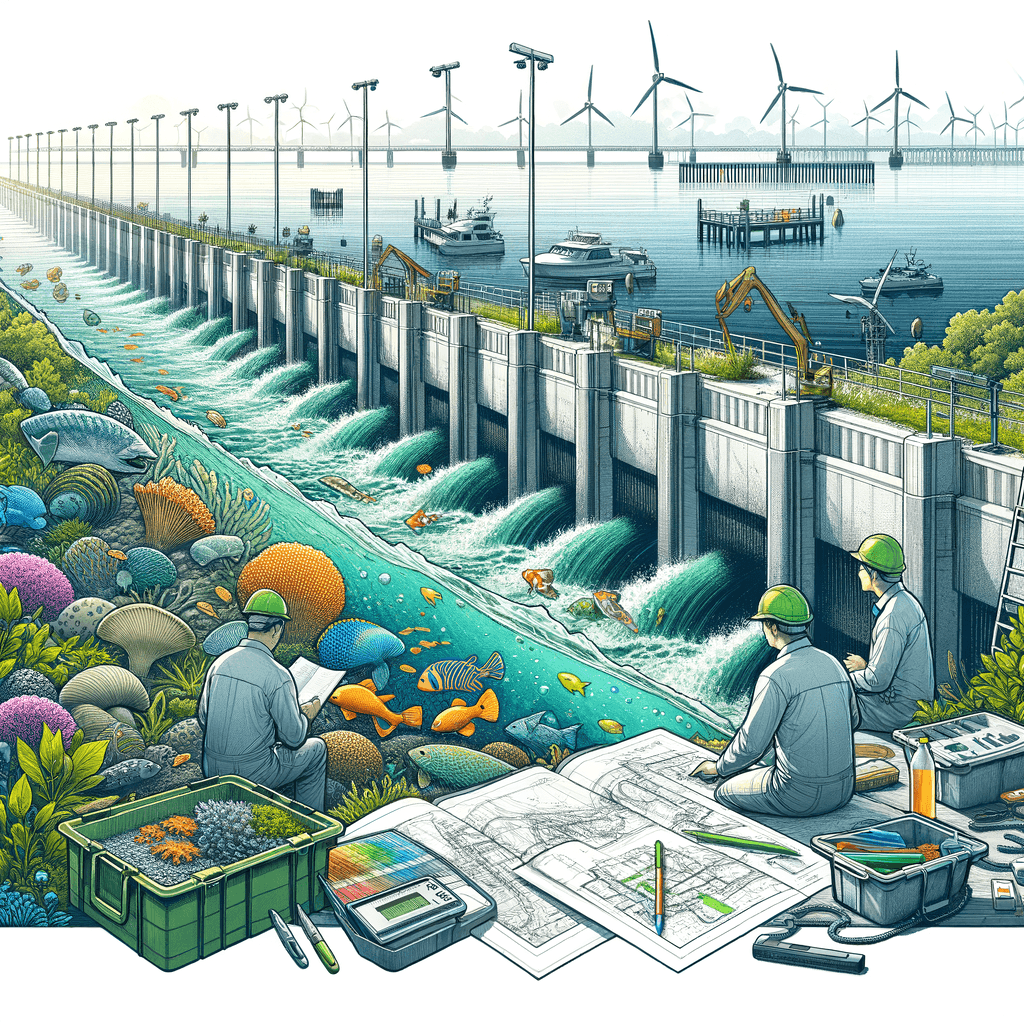
Modern coastal services prioritize sustainable practices that reduce ecological footprints. Proactive measures are essential to protect marine biodiversity and water quality during and after pipeline installation.
- Pre-construction Environmental Impact Assessments (EIA) to guide project design.
- Use of silt curtains and turbidity barriers to prevent sediment dispersion.
- Scheduling construction outside of critical breeding and migration periods.
- Restoration of disturbed seabed habitats post-installation.
Future Trends: Smart Monitoring and Adaptive Management
Emerging technologies are transforming how subaqueous pipelines are monitored and maintained. Smart sensors and real-time data analytics enable rapid response to potential threats, improving both reliability and environmental outcomes.
“Digital twin technology and predictive maintenance are set to revolutionize the long-term sustainability of coastal pipeline infrastructure.”
Engage: What Are Your Coastal Pipeline Concerns?
As coastal communities and industries continue to rely on robust infrastructure, understanding the intricacies of subaqueous pipeline installation becomes more important than ever. What technical or environmental challenges have you encountered in your coastal projects? How do you envision future innovations shaping the field? Share your thoughts and experiences in the comments below to join the conversation.