
Discover how sediment bypassing systems at coastal inlets address erosion, maintain navigational channels, and support long-term shoreline health. Learn about innovative designs, environmental impacts, and the future of sustainable coastal management.
Understanding the Challenge: Sediment Disruption at Coastal Inlets
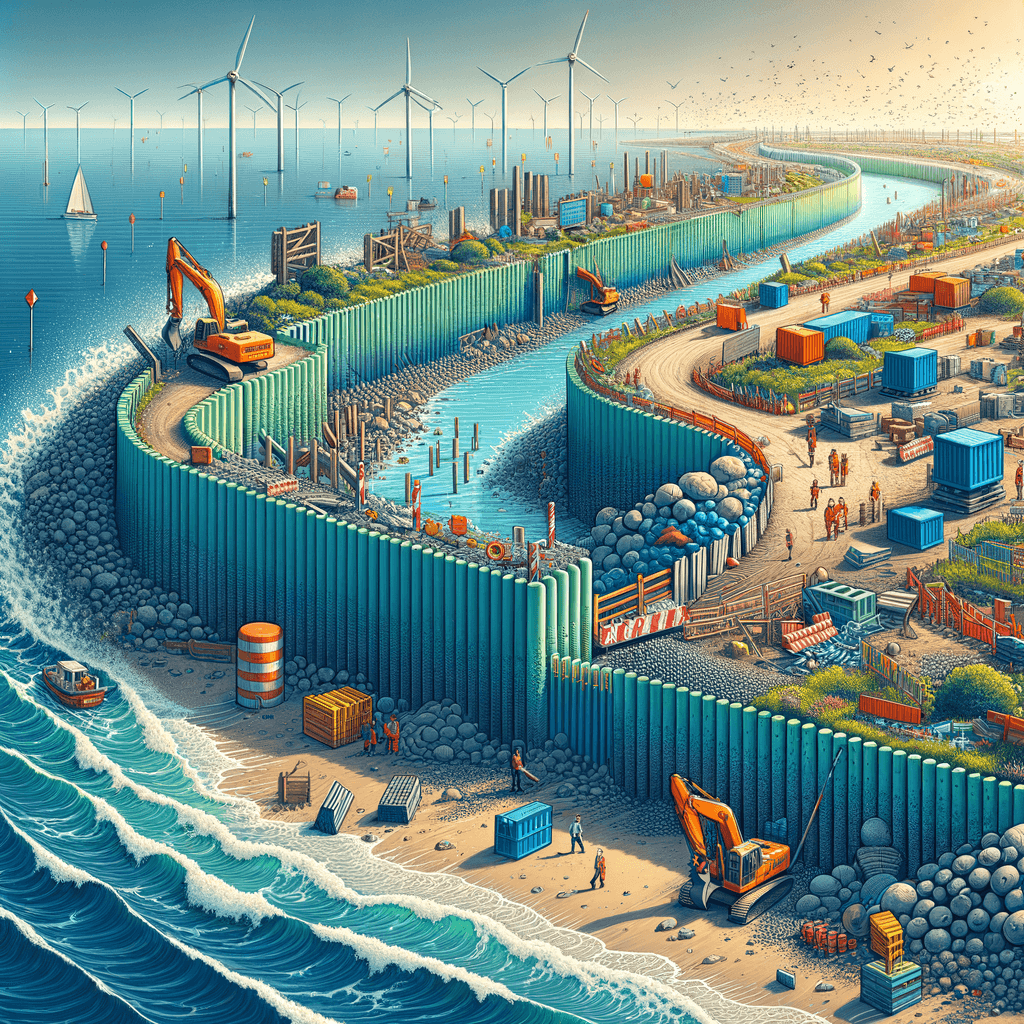
Coastal inlets, where rivers or estuaries meet the sea, are dynamic environments that play a crucial role in navigation and local economies. However, the construction of jetties and navigational channels often disrupts the natural longshore sediment transport, leading to accretion on the updrift side and erosion on the downdrift beaches. This imbalance threatens shoreline stability, property, and infrastructure while requiring costly dredging to keep channels navigable.
What Are Sediment Bypassing Systems?
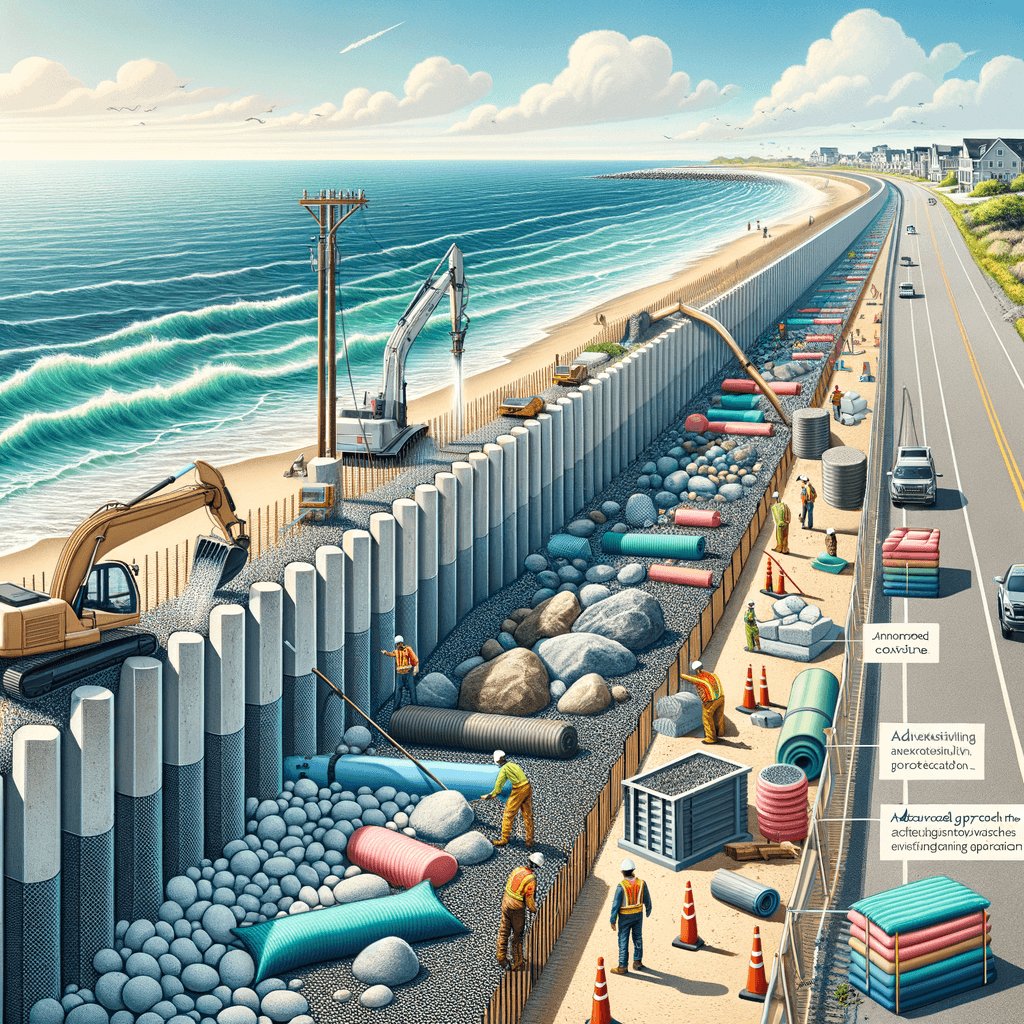
Sediment bypassing systems are engineered solutions designed to restore the interrupted flow of sand across inlets. By mechanically or hydraulically transferring sediment from areas of accumulation to eroding downdrift shores, these systems help maintain both navigational depths and healthy beaches. Their implementation is increasingly critical as climate change intensifies coastal processes and raises the stakes for shoreline resilience.
“A well-designed sediment bypassing system is a linchpin in harmonizing coastal infrastructure with natural sediment dynamics.”
Key Components and Types of Sediment Bypassing Systems
- Mechanical Bypassing: Dredges or conveyor systems physically move sand from one side of the inlet to the other.
- Hydraulic Bypassing: Pumps and pipelines transport a sand-water slurry, often using submerged pipelines.
- Semi-natural Bypassing: Engineered channels or notches in jetties allow sediment to move more freely under specific tidal conditions.
- Automated Bypassing: Sensor-driven systems that activate based on sediment accumulation thresholds, optimizing efficiency and minimizing operational costs.
Environmental Considerations and Mitigation Strategies
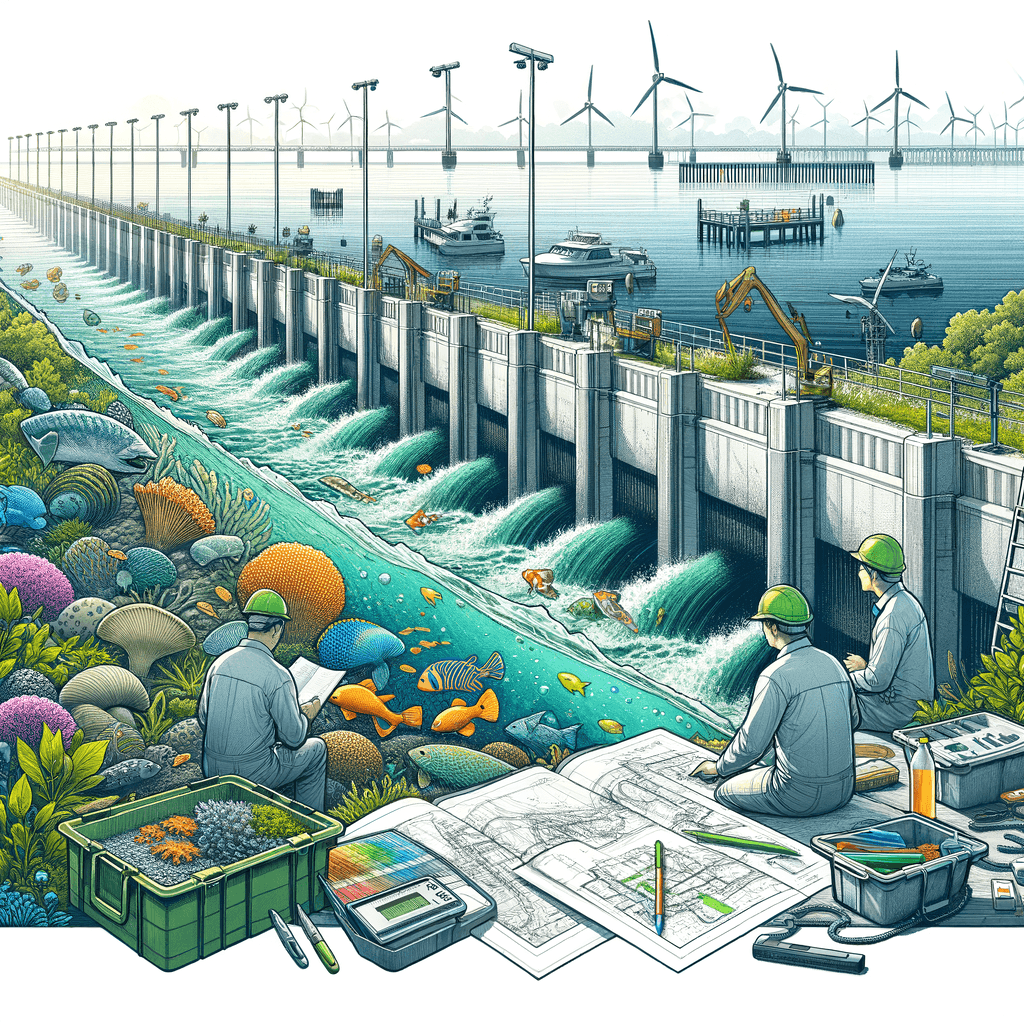
While sediment bypassing systems are essential for shoreline preservation and channel maintenance, their design must prioritize ecological integrity. Poorly planned interventions can disrupt benthic habitats, alter water quality, and impact local fisheries. Modern projects integrate environmental monitoring, adaptive management, and stakeholder engagement to minimize negative outcomes and promote habitat restoration.
“Sustainable sediment management requires a balance between engineering objectives and ecological stewardship.”
Comparing Sediment Bypassing Approaches: Efficacy and Suitability
Selecting the optimal sediment bypassing method depends on local geomorphology, wave climate, sediment characteristics, and economic constraints. The table below highlights the comparative features of key bypassing approaches.
| Bypassing Type | Advantages | Potential Drawbacks |
|---|---|---|
| Mechanical | High capacity, precise placement | Energy intensive, operational costs |
| Hydraulic | Continuous operation, less intrusive | Potential for pipe clogging, habitat disturbance |
| Semi-natural | Lower maintenance, mimics natural processes | Limited capacity, requires specific site conditions |
Future Trends: Integrating Technology and Adaptive Management
Advancements in remote sensing, real-time sediment tracking, and automated control systems are transforming sediment bypassing operations. These innovations enable predictive maintenance, reduced environmental impact, and cost-effective solutions tailored to site-specific needs. Adaptive management frameworks further ensure that systems evolve alongside changing coastal dynamics and stakeholder priorities.
“The future of sediment bypassing lies in smart, adaptive systems that respond dynamically to coastal change.”
Is Sediment Bypassing Right for Your Coastal Community?
Communities facing chronic inlet-related erosion or navigational challenges may benefit from a tailored sediment bypassing strategy. Consulting with experienced coastal engineers, considering long-term environmental impacts, and exploring funding options are crucial first steps. What unique challenges does your coastal area face, and how might sediment management improve both ecological and economic outcomes? Share your insights and questions below to join the conversation on sustainable coastal futures.