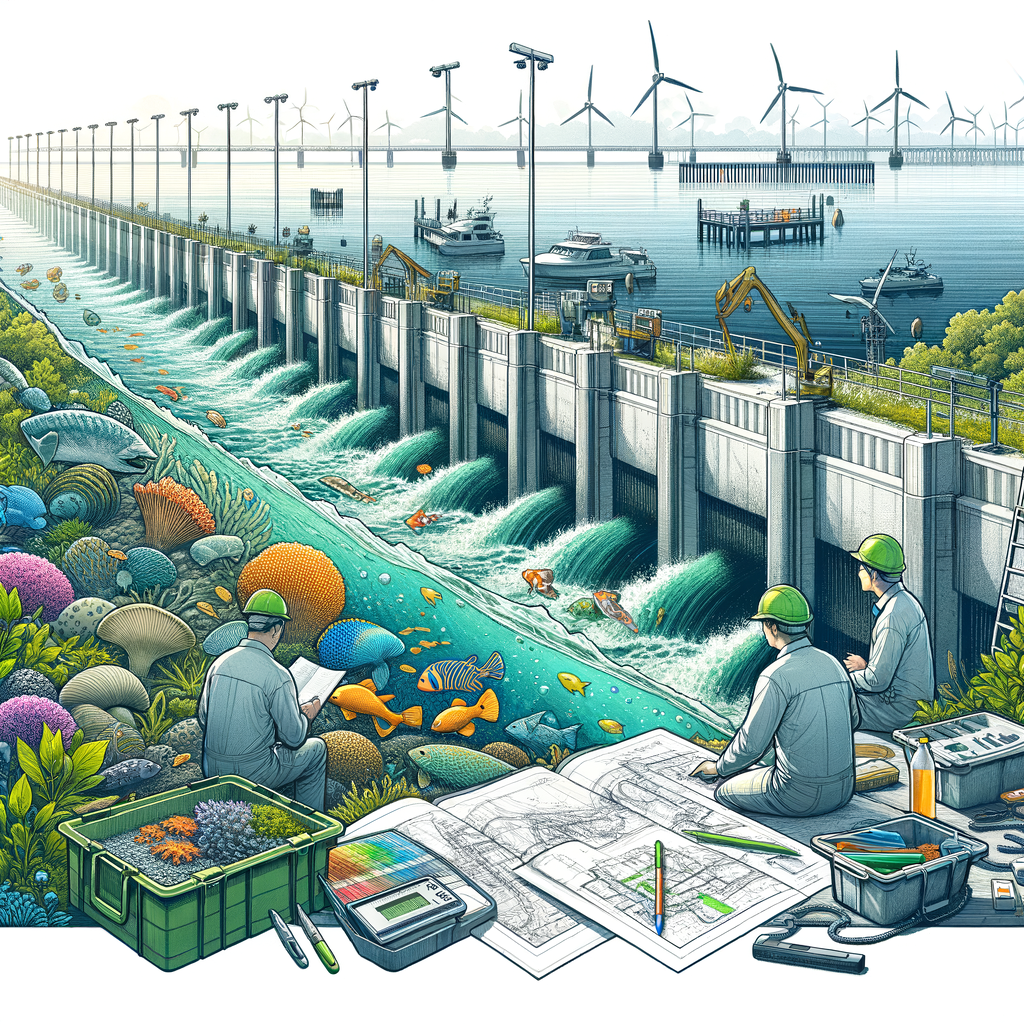
Explore the design, function, and environmental impact of tidal barriers in coastal flood protection. Learn about engineering innovations, ecological integration, and the future of resilient coastal infrastructure.
Understanding Tidal Barriers: A Strategic Response to Coastal Flooding
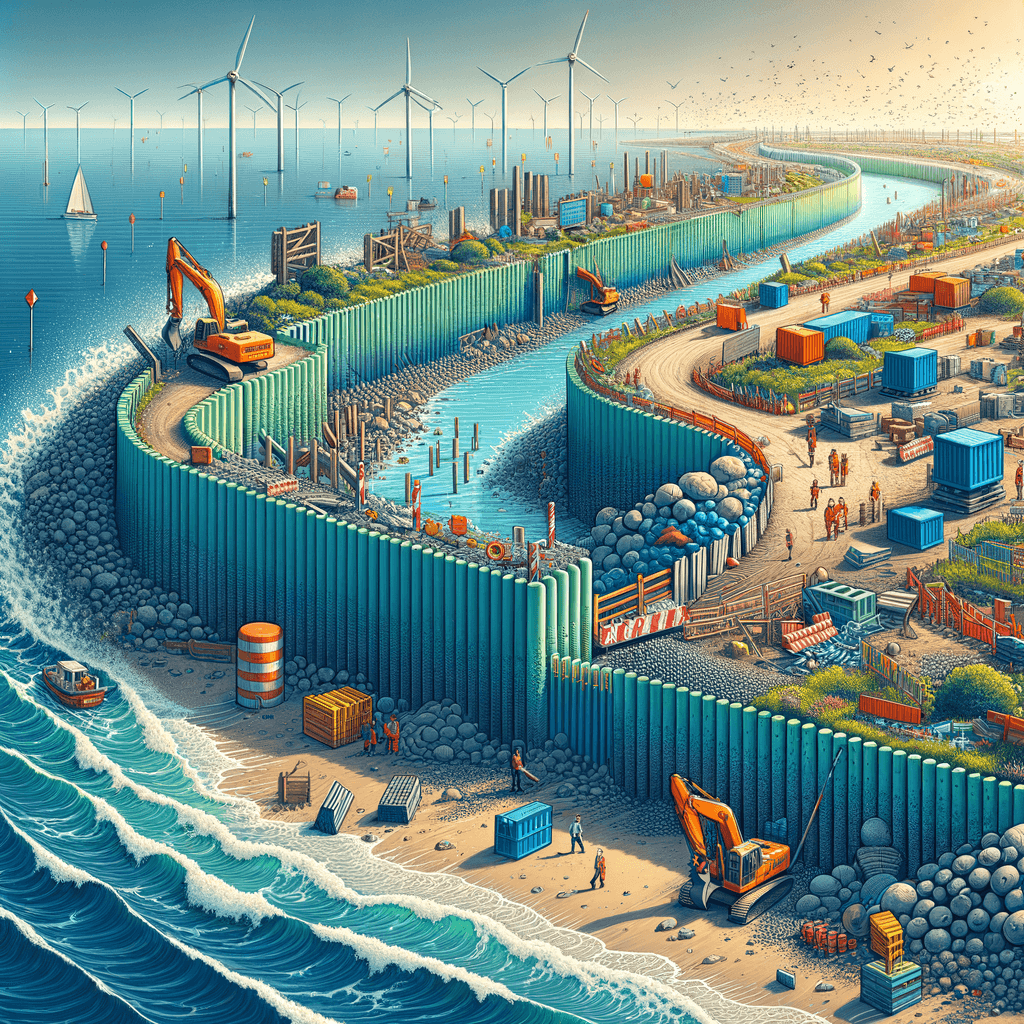
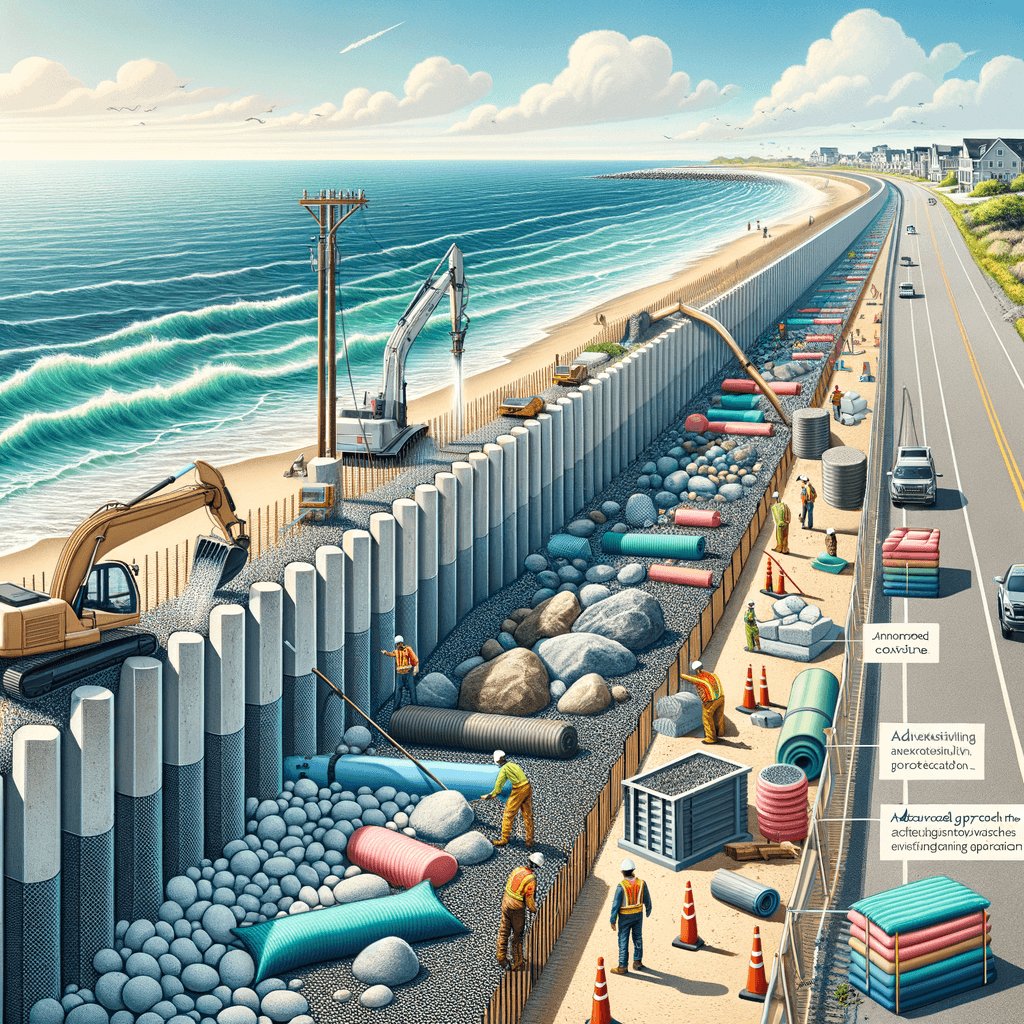
Tidal barriers are dynamic coastal defense structures designed to regulate water flow and protect vulnerable shorelines from tidal surges and storm-driven inundation. As coastal populations and assets face increasing risk from extreme weather events and sea level rise, the strategic deployment of tidal barriers has become a cornerstone in the portfolio of coastal services. These barriers offer adaptable protection, balancing the need for robust engineering with the imperative to preserve natural tidal dynamics.
Core Engineering Principles Behind Tidal Barrier Systems
The effectiveness of tidal barriers hinges on sophisticated engineering principles that account for hydrodynamics, sediment transport, and structural resilience. Advanced materials, such as corrosion-resistant alloys and composite gates, are utilized to ensure longevity in harsh marine environments. Automated control systems enable real-time response to tidal cycles and weather forecasts, optimizing both safety and operational efficiency.
“A resilient coastal community is built not just on strong barriers, but on the integration of technology, nature, and proactive management.”
Types of Tidal Barriers and Their Distinct Applications
Tidal barriers are not a one-size-fits-all solution; their design and function are tailored to local geomorphology, tidal regimes, and socio-economic priorities. Understanding the different types helps stakeholders make informed decisions for their unique coastal challenges.
- Movable storm surge barriers: Large gates that close during high-risk events, such as the Maeslantkering in the Netherlands.
- Tidal sluices: Structures that regulate water exchange between estuaries and open seas, maintaining ecological connectivity.
- Semi-permeable barriers: Engineered to allow limited tidal flow, supporting sediment dynamics and habitat preservation.
Ecological Considerations: Balancing Protection and Habitat Connectivity
While tidal barriers are engineered for defense, their ecological footprint must be carefully managed. Poorly designed barriers can disrupt sediment transport, block migratory pathways for aquatic species, and alter salinity gradients crucial for estuarine ecosystems. Modern projects increasingly incorporate fish passages, adjustable gates, and nature-based features to harmonize infrastructure with environmental stewardship.
Case Studies: Global Leaders in Tidal Barrier Implementation
Examining international examples offers valuable insights into the successes and lessons learned from large-scale tidal barrier projects. These case studies underscore the importance of adaptive design and community engagement in long-term coastal resilience.
| Project | Location | Key Feature |
|---|---|---|
| Thames Barrier | London, UK | Automated radial gates protecting urban core |
| MOSE Project | Venice, Italy | Modular floodgates preserving cultural heritage |
| Eider Barrage | Germany | Integrated storm surge and habitat management |
Emerging Trends: Digitalization and Nature-Inclusive Design
The future of tidal barriers lies in the convergence of digital technologies and ecological innovation. Predictive analytics, remote monitoring, and AI-driven control systems are revolutionizing barrier operation. Simultaneously, nature-inclusive design principles—such as vegetated revetments and oyster reef integration—are enhancing both resilience and biodiversity.
- Integration of real-time monitoring for predictive maintenance.
- Hybrid barriers combining hard infrastructure with living shorelines.
- Stakeholder-driven design processes for social acceptance and adaptive management.
Engaging Communities and Stakeholders in Tidal Barrier Projects
The success of tidal barrier initiatives depends on transparent communication and active involvement of local communities, policymakers, and environmental groups. Collaborative planning ensures that the needs of diverse stakeholders are addressed, fostering a sense of ownership and long-term stewardship.
“Effective coastal protection is not just about building barriers, but about building trust and shared vision among all who depend on the shoreline.”
Looking Ahead: Can Tidal Barriers Meet Tomorrow’s Coastal Challenges?
With climate change accelerating the frequency and intensity of coastal hazards, tidal barriers must continually evolve to remain effective and sustainable. How can emerging technologies, ecological integration, and participatory governance shape the next generation of coastal flood defenses? What innovations do you believe are most critical for your community’s coastal future? Share your thoughts below and join the conversation on resilient coastal services.