Explore how permeable revetments are revolutionizing coastal defense by combining robust shoreline protection with ecological benefits. Learn about design principles, advantages, challenges, and real-world applications.
Understanding Permeable Revetments in Coastal Defense
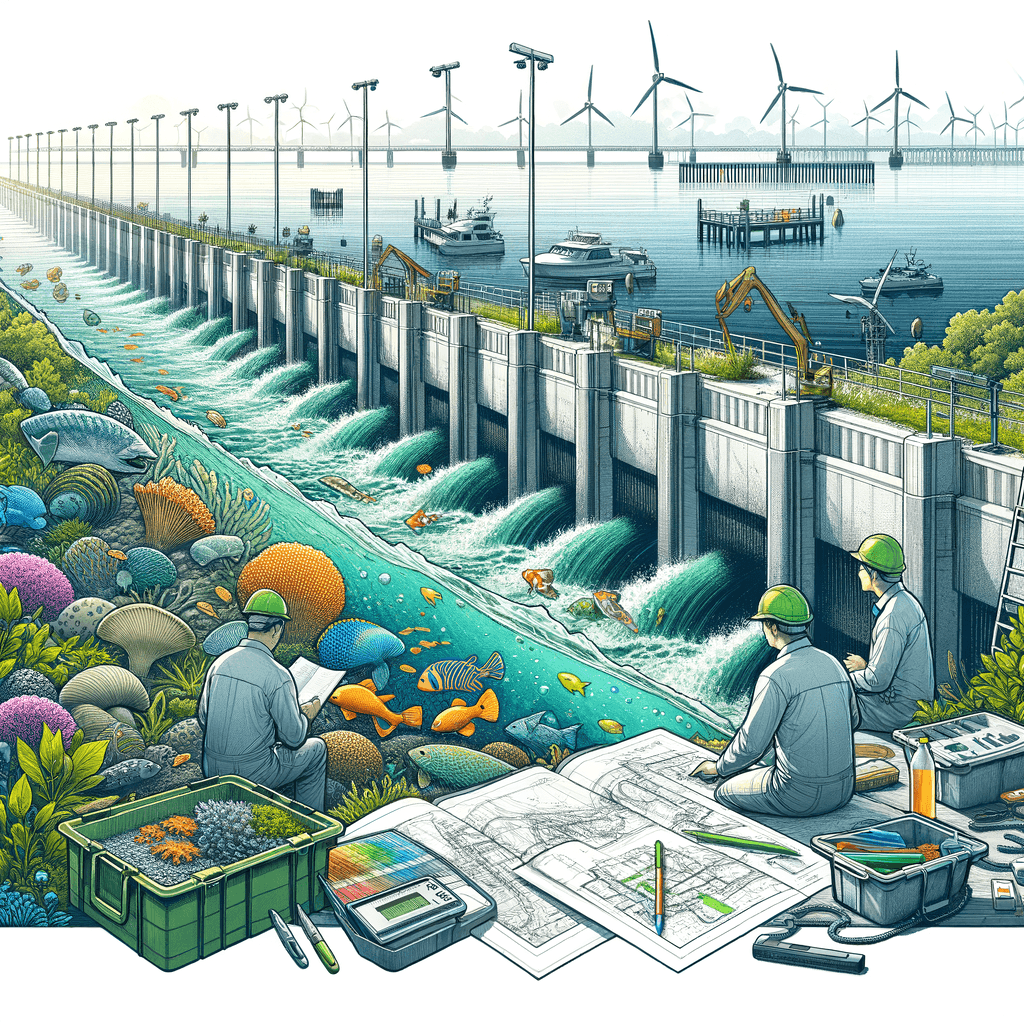
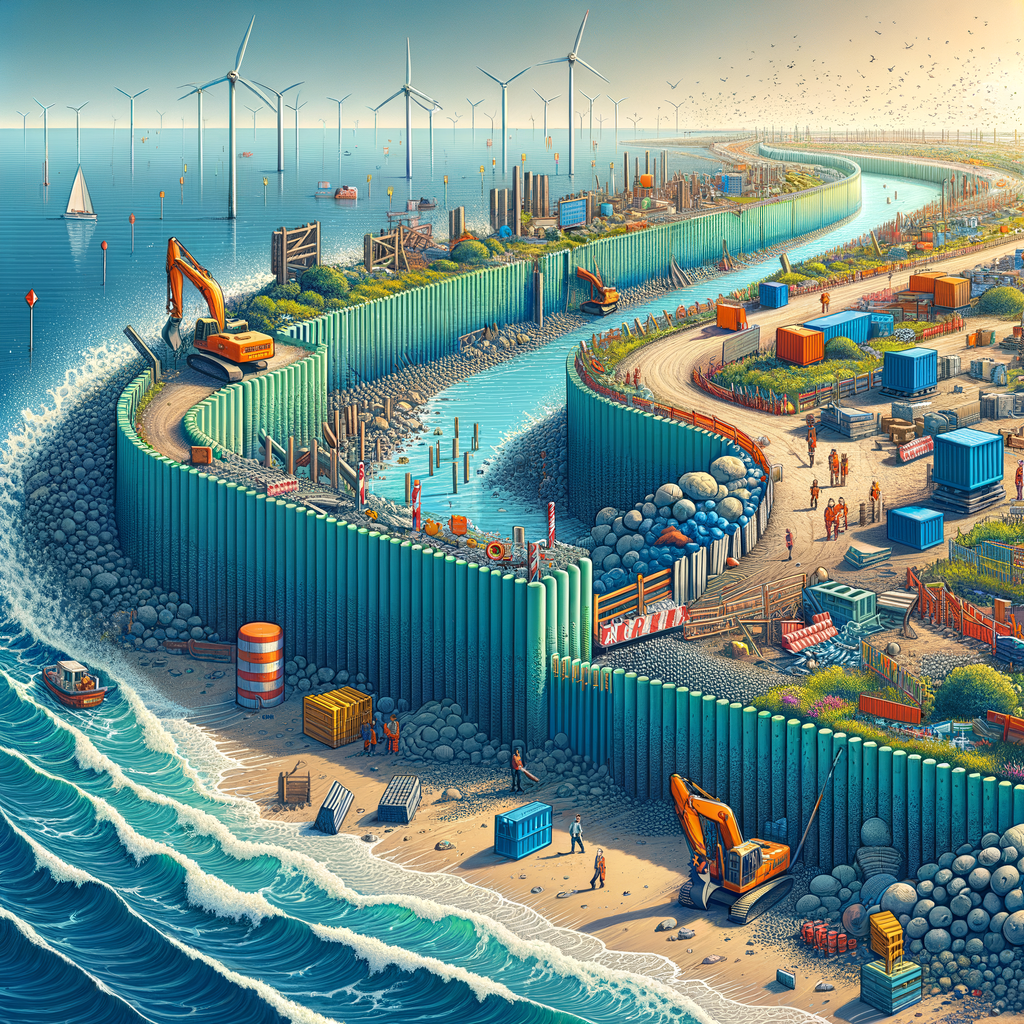
Permeable revetments represent a sophisticated evolution in shoreline stabilization, offering a dynamic alternative to traditional impermeable barriers. By allowing controlled water passage through their structure, these systems dissipate wave energy, reduce scouring, and support natural sediment transport. Unlike conventional seawalls or rock armor, permeable revetments blend engineering rigor with ecological sensibility, making them an increasingly preferred choice for vulnerable coastlines facing accelerated erosion.
Key Design Principles of Porous Revetment Systems
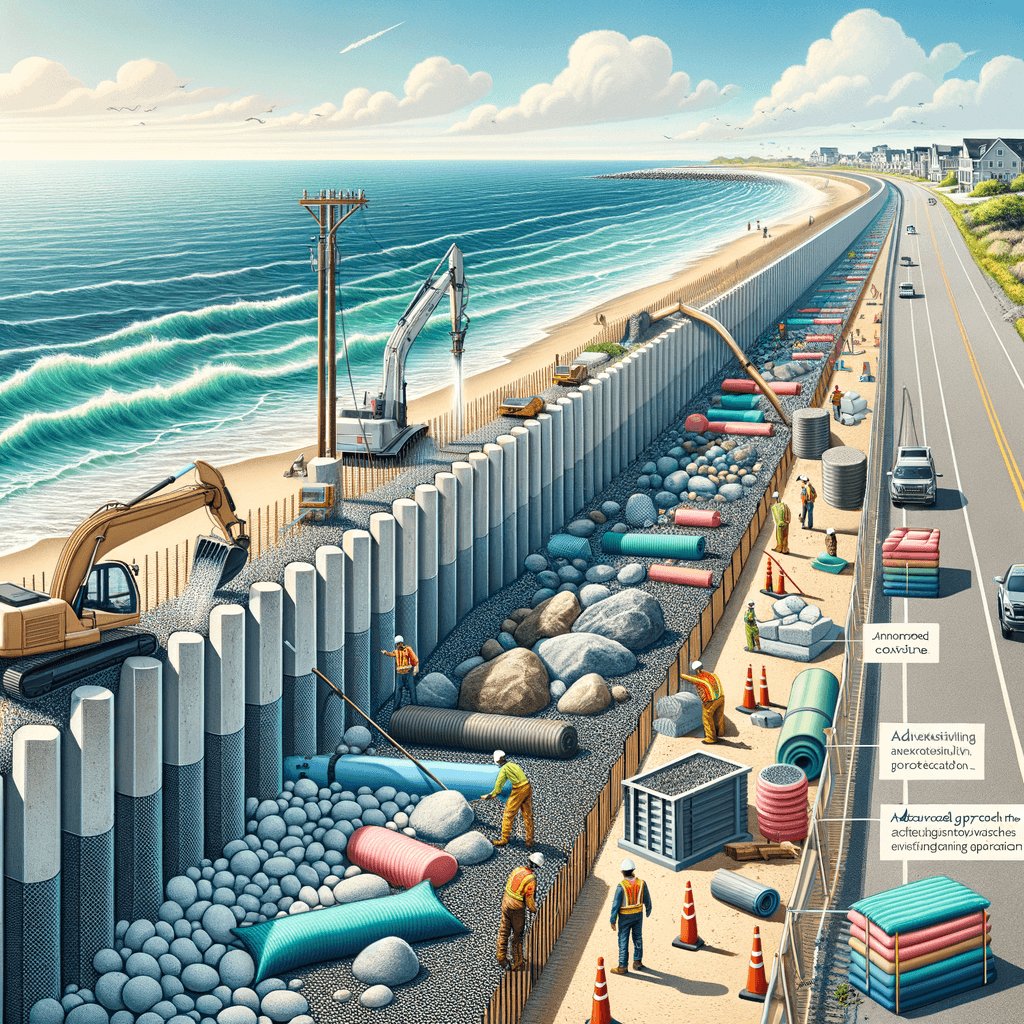
The effectiveness of permeable revetments hinges on precise engineering and material selection. Designers must balance hydraulic performance, structural stability, and environmental compatibility. Modern installations utilize advanced geosynthetics, interlocking concrete units, and locally sourced stone configured to optimize porosity and durability. The geometry, layer thickness, and void ratio are meticulously calculated to ensure long-term resilience under variable hydrodynamic conditions.
- Selection of durable, weather-resistant materials to withstand saline environments.
- Incorporation of graded filter layers to prevent soil piping and internal erosion.
- Customization of unit shapes and interlocking mechanisms for site-specific wave climates.
- Integration with existing natural features, such as dunes or marshes, to enhance habitat value.
“Successful coastal protection requires harmonizing engineering solutions with the rhythms of the natural environment.”
Benefits of Permeable Revetments for Shoreline Communities
Communities confronting chronic shoreline retreat often seek solutions that not only shield property and infrastructure but also preserve recreational and ecological values. Permeable revetments deliver multifaceted advantages, from mitigating wave overtopping to fostering native flora and fauna. Their adaptability makes them suitable for both urban and rural coastlines, offering a path toward sustainable, resilient shorelines.
- Reduces wave reflection and energy, lessening adjacent erosion.
- Promotes sediment deposition, aiding in natural beach recovery.
- Supports habitat creation for intertidal species and coastal vegetation.
- Minimizes visual and physical barriers, maintaining public access and scenic views.
- Facilitates groundwater recharge by allowing tidal exchange.
Challenges and Considerations in Implementation
Despite their promise, permeable revetments present unique engineering and maintenance challenges. Site-specific variables such as tidal range, sediment supply, and storm frequency require thorough assessment. Long-term monitoring is essential to detect settlement, clogging, or unanticipated changes in shoreline dynamics. Stakeholder engagement is critical to ensure that both technical and community priorities are addressed.
| Challenge | Consideration |
|---|---|
| Material Clogging | Routine inspection and sediment management required |
| Structural Settlement | Foundation design and adaptive maintenance |
| Ecological Integration | Continuous monitoring of habitat impacts |
| Cost | Higher upfront investment but potential for reduced long-term repairs |
Future Trends and Innovations in Permeable Coastal Structures
As climate change intensifies coastal hazards, innovation in permeable revetment technology is accelerating. Researchers are exploring modular, bio-enhanced units that foster rapid colonization by marine organisms and harness living materials for self-healing capabilities. Digital modeling and real-time sensors are being integrated to optimize performance and enable proactive maintenance. These advancements signal a shift toward adaptive, ecosystem-based coastal management.
Engage: What’s Your Perspective on Sustainable Shoreline Defense?
Permeable revetments are redefining the balance between robust coastal protection and environmental stewardship. How do you see these systems fitting into your community’s shoreline strategy? What challenges or opportunities do you anticipate as coastal engineering embraces more porous, adaptive solutions? Share your insights and join the conversation below.