Explore advanced beach nourishment methods, their ecological impacts, and future trends in sustainable coastal services. Learn how these techniques protect shorelines while supporting marine habitats.
Understanding Beach Nourishment: Purpose and Challenges
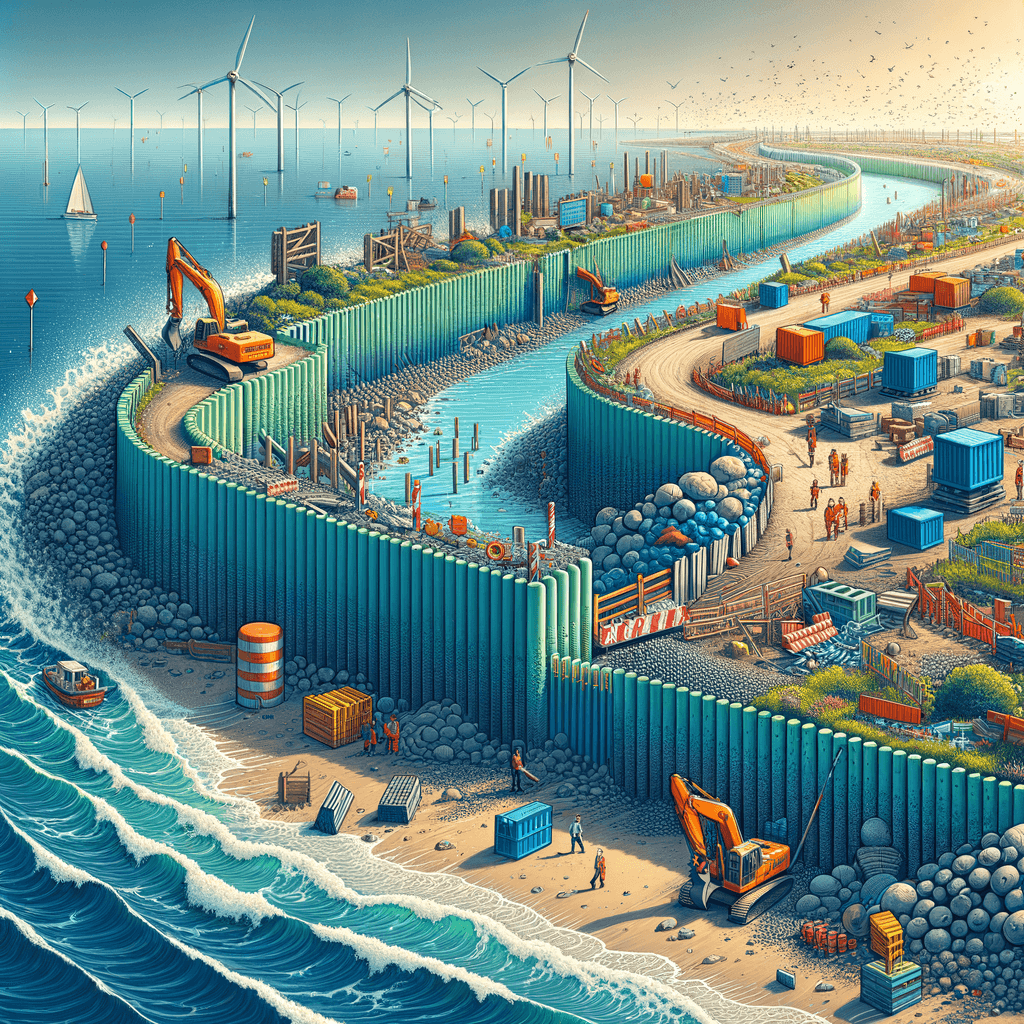
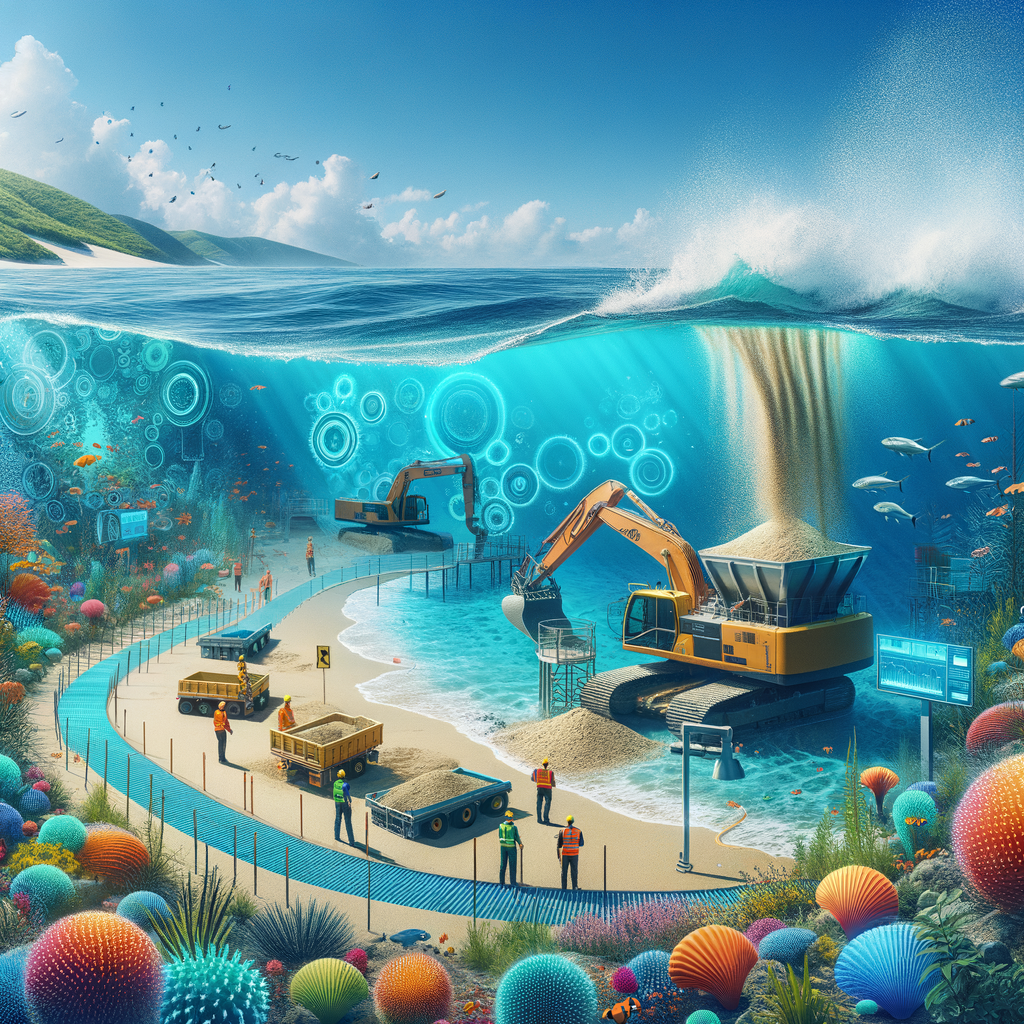
Beach nourishment involves the strategic placement of sediment to combat coastal erosion and restore natural shorelines. While traditional nourishment projects have focused on adding sand to eroded beaches, evolving environmental regulations and the need for ecological sensitivity have transformed this service into a highly specialized field. Stakeholders face challenges such as sourcing compatible sediments, minimizing disruption to marine life, and ensuring long-term stability against rising sea levels.
Advanced Sediment Sourcing and Compatibility Analysis
One of the most critical aspects of beach nourishment is selecting sediment that matches the native beach in grain size, color, and mineral composition. Advanced sediment compatibility analysis now employs geotechnical surveys, spectral imaging, and hydrodynamic modeling to ensure the introduced material integrates seamlessly with existing substrates. This reduces the risk of rapid erosion and supports native flora and fauna.
- Geotechnical core sampling for sediment profile mapping
- Spectral reflectance analysis to match sediment color and mineralogy
- Hydrodynamic modeling to predict sediment transport and deposition patterns
- Bioassays to assess potential impacts on benthic organisms
Ecological Considerations in Modern Nourishment Projects
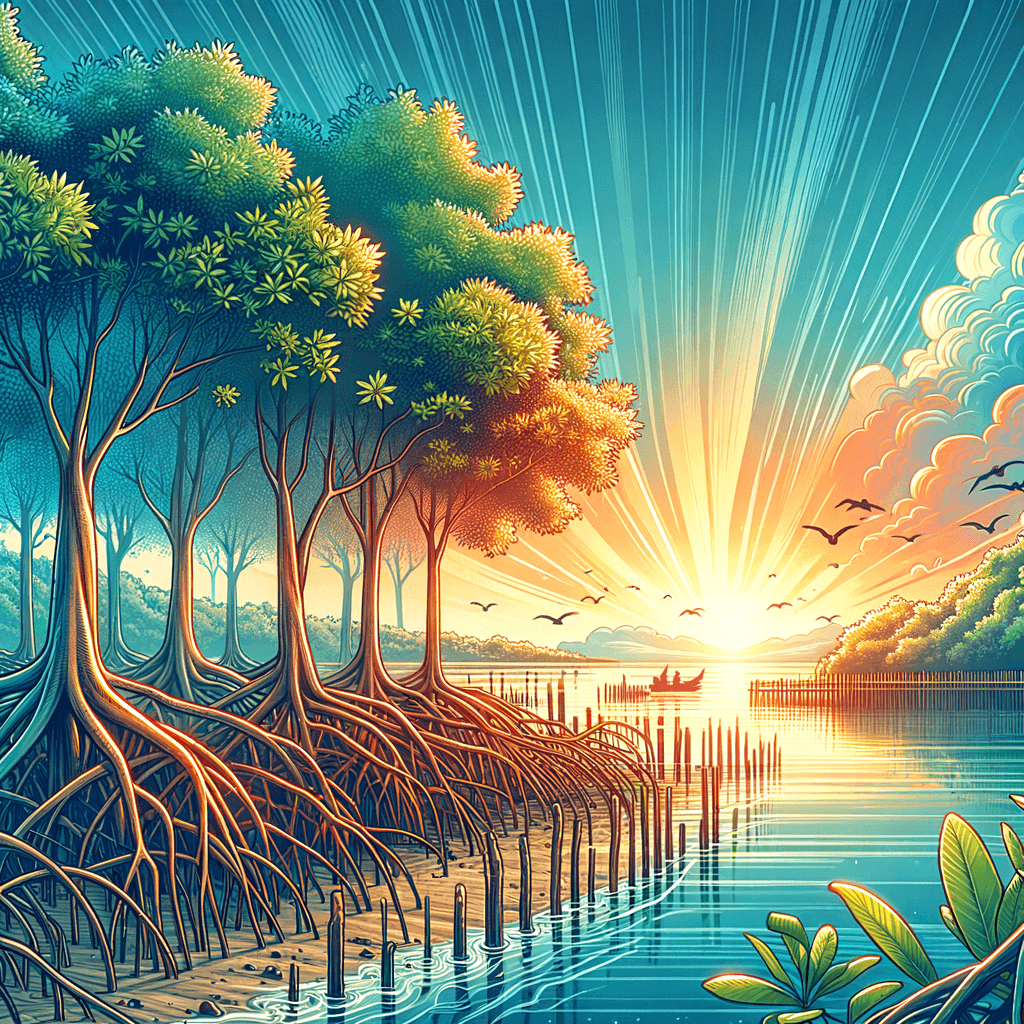
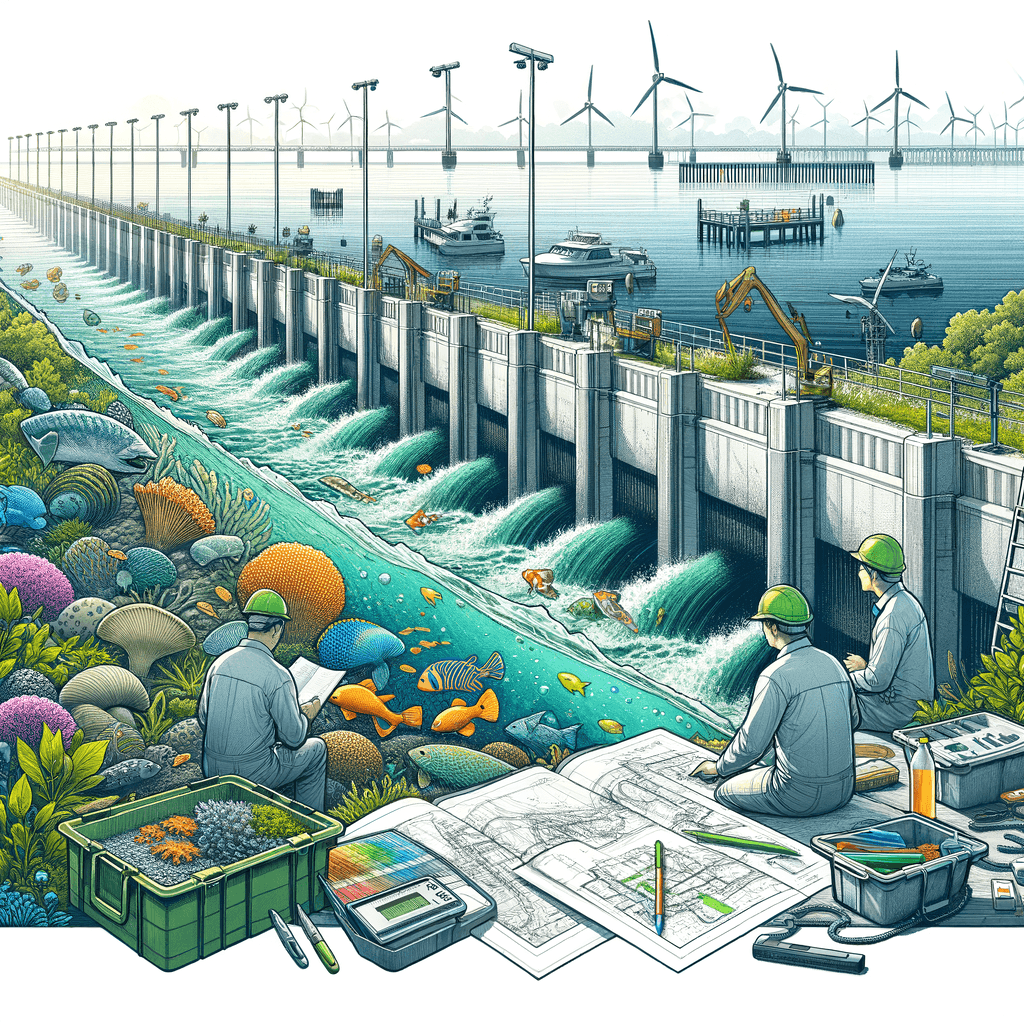
Contemporary nourishment techniques emphasize ecological enhancement alongside shoreline protection. Projects are increasingly designed to support critical habitats such as nesting sites for sea turtles, foraging grounds for shorebirds, and intertidal zones for invertebrates. Timing of nourishment activities is carefully scheduled to avoid sensitive breeding periods, and innovative approaches like the use of biodegradable containment structures help reduce long-term ecological footprints.
“The success of beach nourishment today is measured not only by shoreline stability but by the resilience and vitality of coastal ecosystems.”
Comparing Traditional and Hybrid Nourishment Approaches
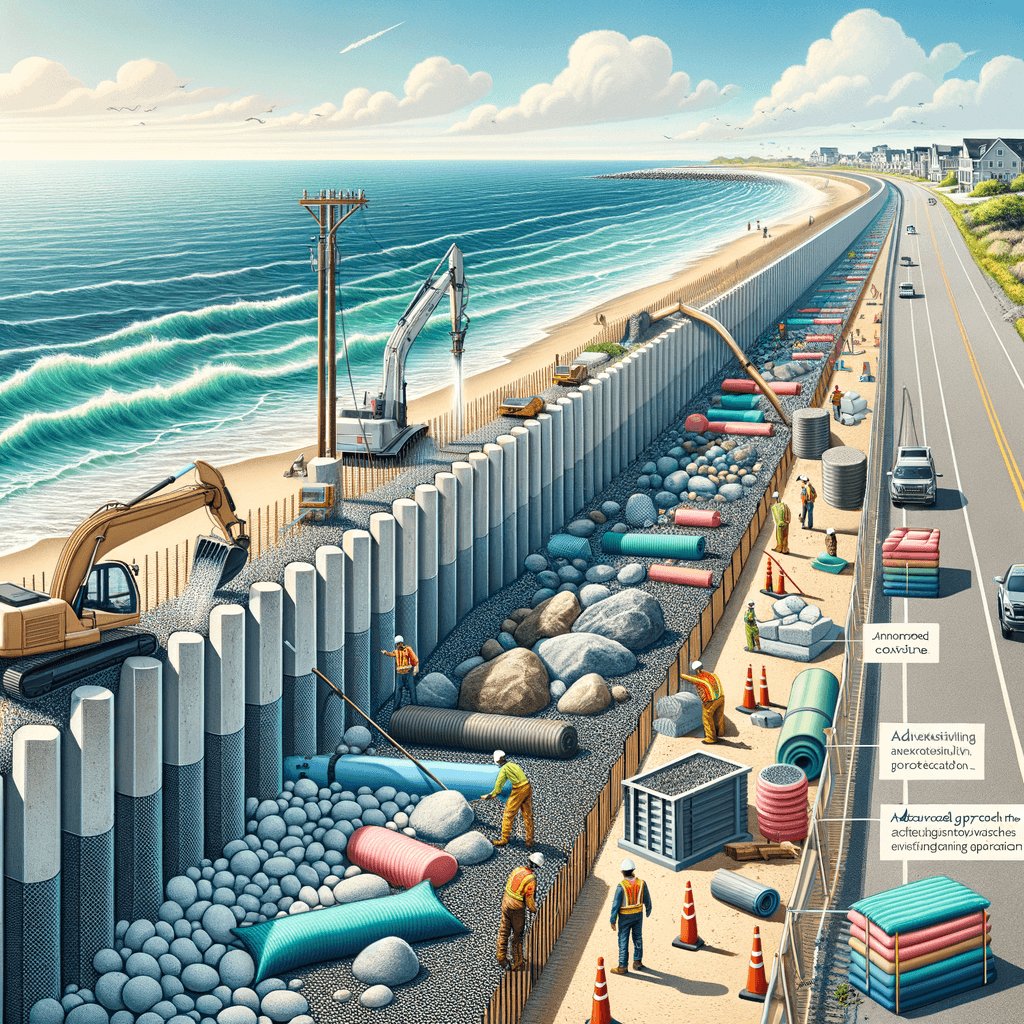
While classic nourishment relies on direct sand placement, hybrid approaches integrate engineered structures and natural elements to maximize resilience. These methods are designed to dissipate wave energy, trap sediment, and foster habitat diversity. The following table outlines key differences between traditional and hybrid nourishment strategies:
| Approach | Key Features | Ecological Impact |
|---|---|---|
| Traditional Nourishment | Sand placement only | Moderate, risk of habitat disruption |
| Hybrid Nourishment | Sand placement + submerged reefs or dunes | High, promotes habitat complexity and resilience |
Emerging Trends: Thin-Layer Placement and Sediment Recycling
Thin-layer placement is gaining popularity as a minimally invasive technique, spreading a shallow layer of fine sediment over large areas to enhance marsh elevation and buffer against sea-level rise. Sediment recycling, which reuses dredged materials from navigation channels, offers both economic and environmental benefits. These methods require precise monitoring to avoid smothering sensitive habitats and to ensure sustained ecological function.
- Thin-layer placement for marsh restoration
- Beneficial use of dredged material
- Real-time turbidity and sedimentation monitoring
- Adaptive management for ongoing ecosystem assessment
Future Outlook: Integrating Technology and Community Engagement
Looking ahead, beach nourishment will increasingly harness real-time data analytics, remote sensing, and participatory planning to optimize outcomes. Engaging local communities in monitoring and stewardship not only builds public support but also ensures that projects align with both environmental and recreational aspirations. As climate change accelerates coastal risks, innovative nourishment strategies will be central to resilient, thriving shorelines.
“Sustainable beach nourishment is a collaborative journey—uniting science, technology, and community vision for the future of our coasts.”
Join the Conversation: Your Experience with Beach Nourishment
Have you witnessed or participated in a beach nourishment project in your area? What challenges or successes have you observed regarding shoreline stability and ecosystem health? Share your insights and questions below—your perspective is vital in shaping the future of coastal services.