Discover how living shorelines transform urban waterfronts, blending ecological restoration with resilient coastal protection. Explore methods, challenges, and future trends.
Understanding Living Shorelines in Urban Contexts
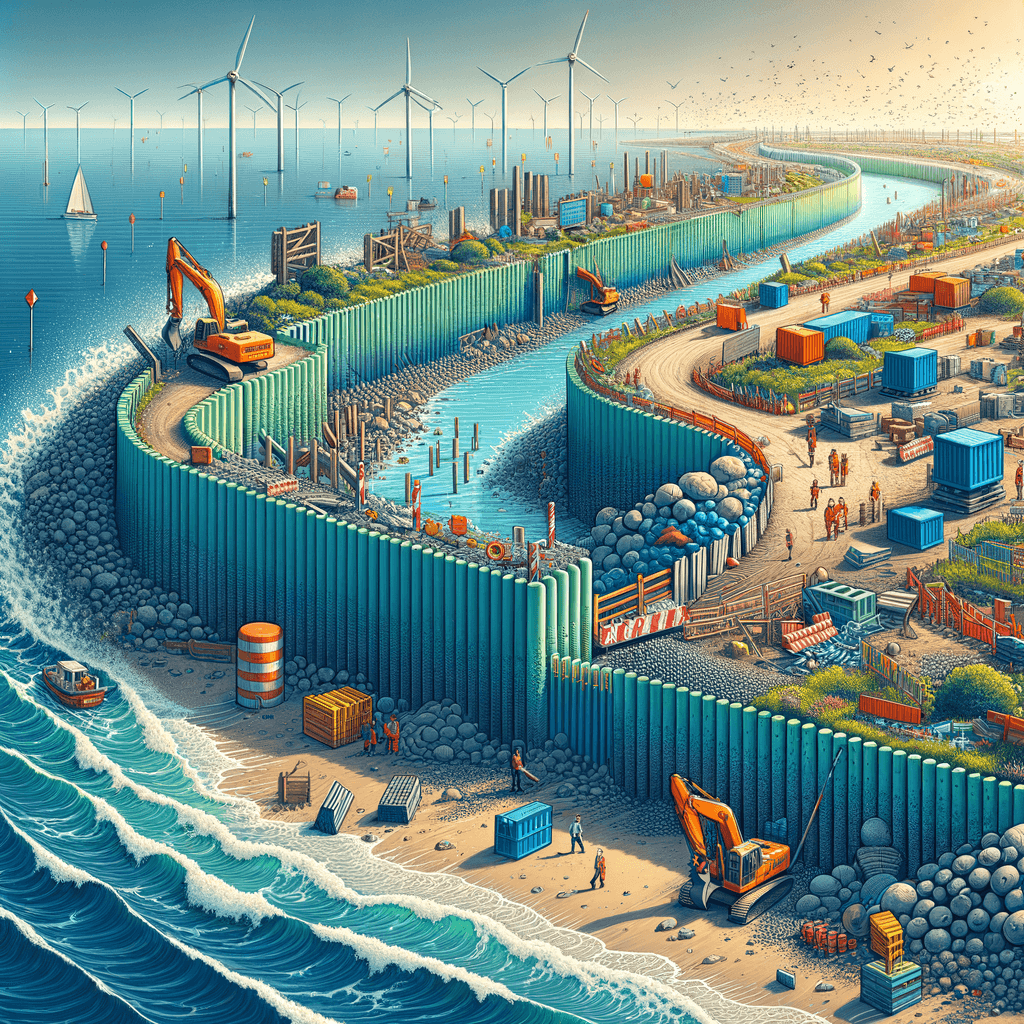
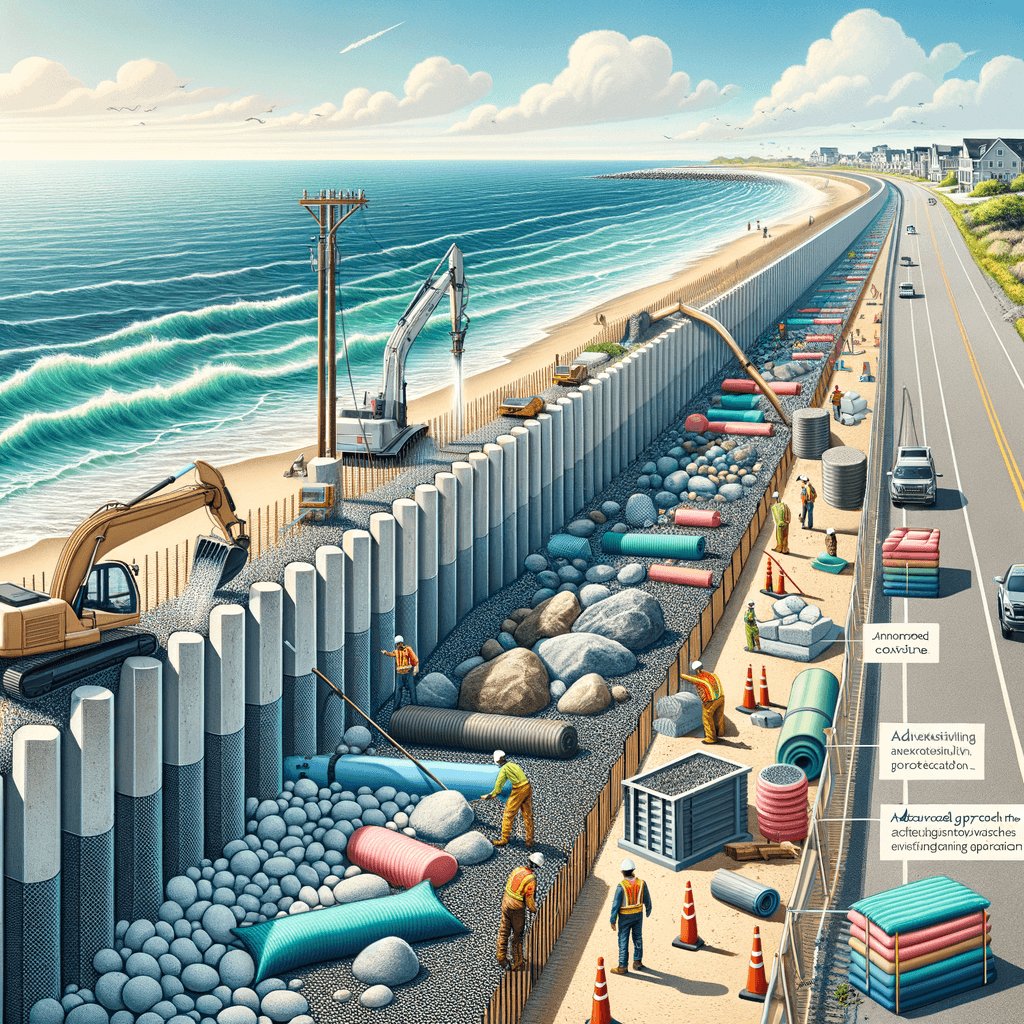
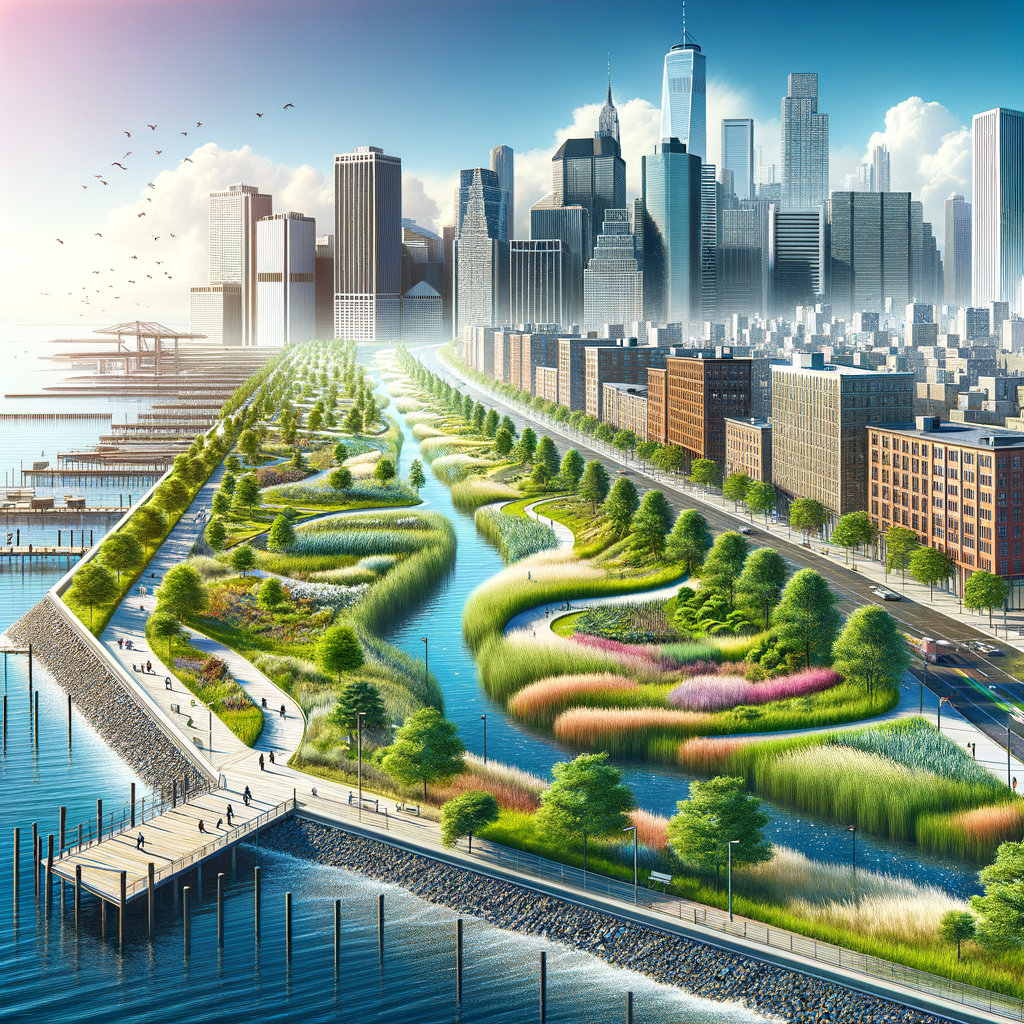
Living shorelines employ natural materials and native vegetation to stabilize coastlines, contrasting with traditional hard infrastructure like bulkheads. In urban waterfronts, these eco-centric solutions offer both protection and environmental enhancement, addressing the unique challenges of densely developed coastal zones.
Core Components of Living Shoreline Projects
- Native marsh grasses and salt-tolerant plants
- Coir logs and biodegradable fiber rolls for sediment capture
- Oyster reef modules for wave attenuation and habitat creation
- Intertidal rock sills to buffer against erosive forces
Advantages Over Conventional Shoreline Armoring
Unlike seawalls and revetments, living shorelines foster biodiversity, adapt to rising sea levels, and self-repair after storm events. These systems can reduce maintenance costs and improve public access to waterfronts, aligning with urban revitalization goals.
| Feature | Traditional Armoring | Living Shorelines |
|---|---|---|
| Erosion Control | Rigid, may fail | Flexible, self-sustaining |
| Biodiversity | Low | High |
| Aesthetic Value | Limited | Naturalistic |
| Adaptability | Fixed | Responsive |
Technical Challenges in Urban Implementation
Integrating living shorelines in cities involves navigating space constraints, legacy contamination, and high wave energy from boat traffic. Site-specific engineering and stakeholder collaboration are vital to ensure functional, resilient designs.
“The most successful urban living shoreline projects are those that unite ecological science with community priorities and regulatory flexibility.”
Steps for Urban Living Shoreline Deployment
- Conduct a geomorphic and hydrodynamic site assessment
- Engage with local stakeholders and regulatory agencies early
- Select native plant species suited to urban stressors
- Incorporate hybrid solutions (e.g., combining sills with vegetation) where necessary
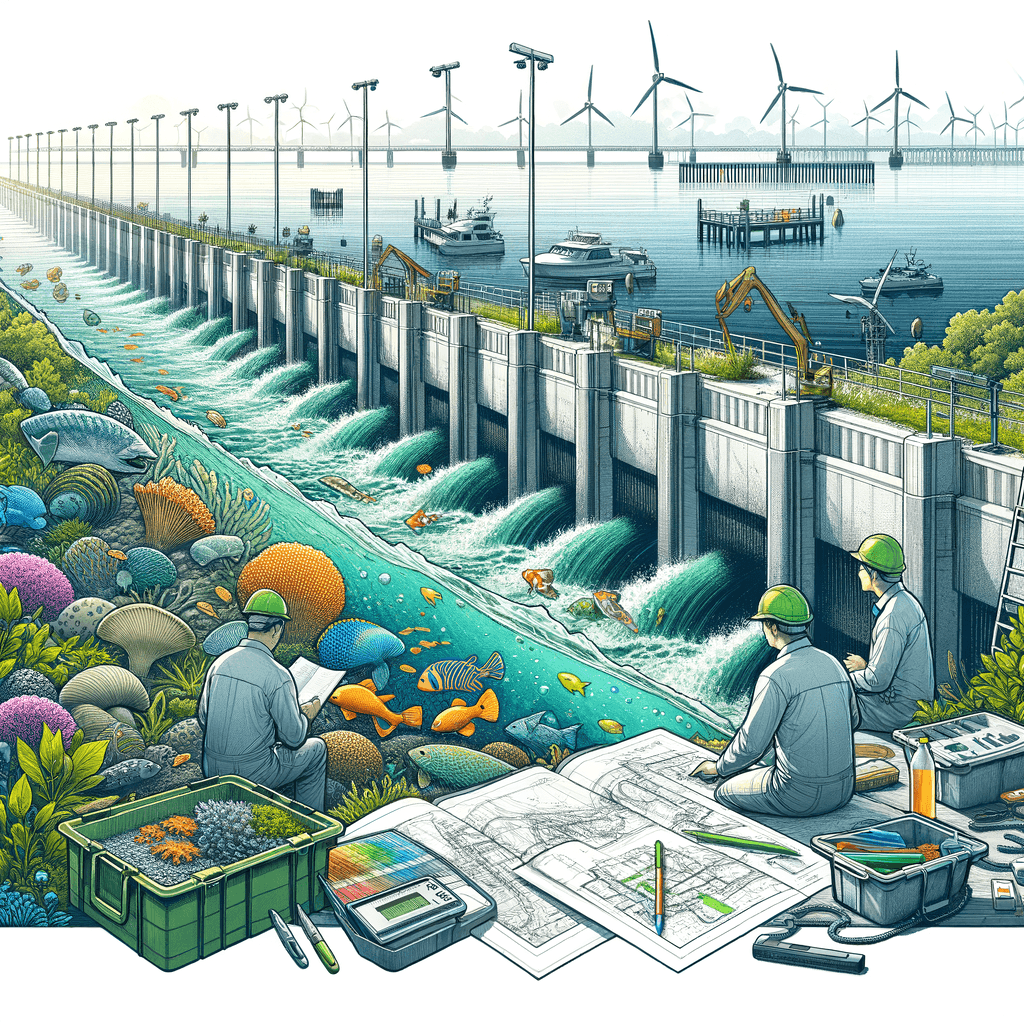
- Monitor post-installation for adaptive management
Future Trends and Innovations
Emerging technologies, such as 3D-printed oyster substrates and remote monitoring sensors, are enhancing the efficacy of living shorelines. Urban planners are increasingly integrating these systems into broader green infrastructure networks, supporting climate adaptation and social equity.
How Can Urban Living Shorelines Inspire Your Community?
As cities seek sustainable and resilient waterfronts, living shorelines offer a pathway to ecological renewal and climate readiness. What creative approaches or local partnerships could accelerate their adoption in your region? Share your thoughts and experiences below.